





On April 1, 2025, the UK banned the sale of disposable vapes. One year later, the data is in.
The picture is not simple.
Disposable vape usage did drop sharply — but total vaping did not decline. Users switched devices and kept going. The question is: what did they switch to?
This article breaks down the post-ban market using data from UK government surveys and retail analytics, section by section. The conclusions are yours to draw.
1. The Regulatory Timeline: What Changed and When
The UK's approach to disposable vapes was not a single ban — it was a cascade of regulatory measures:
-
April 1, 2025: Single-use vape sales banned across England, Scotland, and Wales
-
April 29, 2026: The Tobacco and Vapes Act received Royal Assent — establishing a vape licensing regime, flavor restriction powers, and a "smoke-free generation" clause
-
October 1, 2026: Vape excise duty takes effect at £2.20 per 10ml of nicotine-containing e-liquid
-
January 1, 2027: Smoke-free generation clause activates — anyone born on or after January 1, 2009 will never be legally sold tobacco
Full policy details published by {:rel="nofollow"}. For distributors, these overlapping policies will reshape product mix, pricing models, and compliance requirements.
2. Disposable Usage: The Numbers
ASH (Action on Smoking and Health) commissioned a YouGov survey covering 13,259 adults and 2,926 young people aged 11–17. The {:rel="nofollow"} reports:
| Metric | 2023 | 2025 (pre-ban) | 2026 (post-ban) |
|---|---|---|---|
| Adult disposable use rate | 31% | 24% | 8% |
| Youth (11–17) disposable use rate | 69% | 42% | 13% |
Disposable usage dropped by two-thirds among adults and by four-fifths among young people. On its target category, the ban worked.
But another set of data needs to be read alongside this: total UK vapers did not decline.
According to the Office for National Statistics (ONS), the UK now has 5.4 million vapers — more than the 4.9 million smokers. Adult smoking rates fell to 10.6%, the lowest since records began in 1978. People are still vaping. They just changed what they're using.

3. What Replaced Disposables: Three Product Categories
Retail panel data shows that three main product formats emerged as replacements:
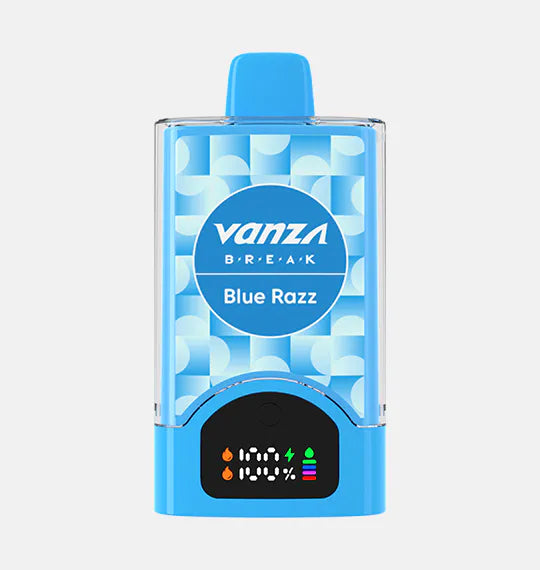
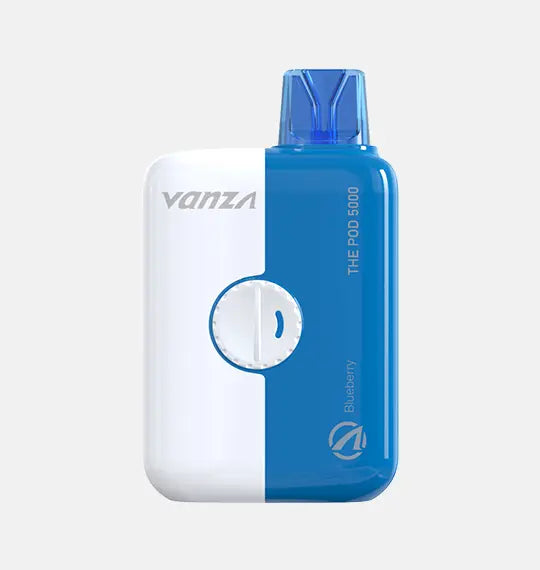
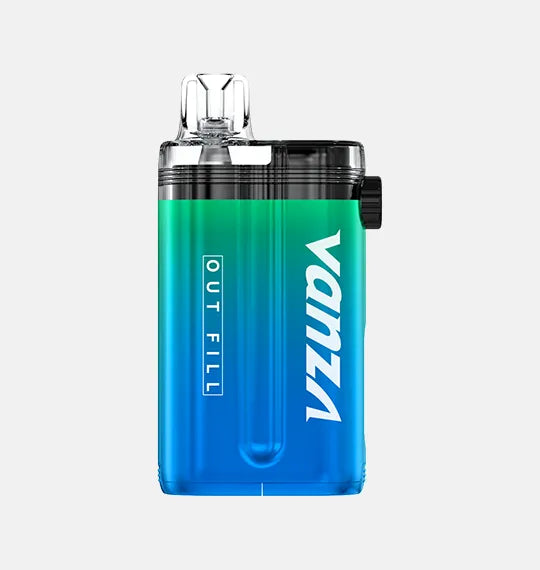
3.1 Big Puff Hybrid Devices (2ml prefilled pod + 10ml refill reservoir)
-
Technical definition: Refillable and rechargeable, meeting the legal definition of "non-disposable"
-
Practical form factor: Users receive a 2ml pod + 10ml refill, delivering approximately 6,000 puffs per cycle
-
Market performance: Monthly retail value rose from £39.5M pre-ban to £53.8M
-
Category share: Industry analysis indicates Big Puff products account for roughly 60% of the overall vape market
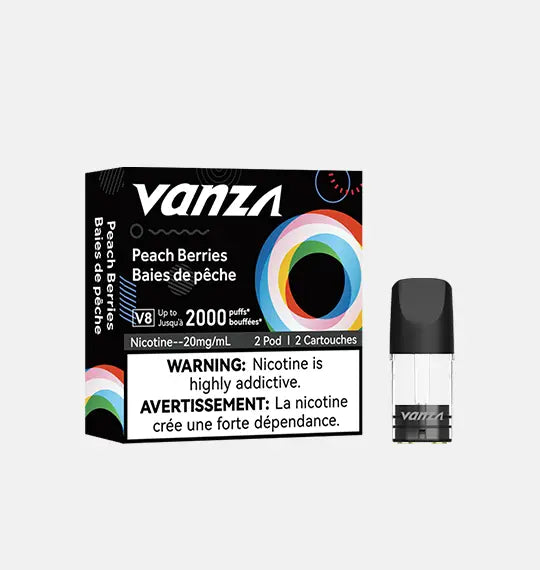
3.2 Small-Format Prefilled Kits (2ml format)
-
Primarily driven by supermarket channels
-
Talysis data shows small-format (2ml kits) and large-format (12ml combined) kits together sell approximately 1.3 million units per week
3.3 Standard Refill Pods (Open-System Refillables)
-
Talysis data: Approximately 1.1 million units per week
-
Lower than the combined small + large puff kit volumes
An important nuance: the widely cited "75% of users use pod systems" figure comes from the ASH 2024 survey, but that classification includes Big Puff devices — because Big Puff devices use prefilled pods and are categorized under pod systems. Separated out, Big Puff is the single largest sub-category within pod systems.
Distributors evaluating should understand this structural distinction when planning product portfolios.
4. Flavour Data: What Users Are Choosing
Flavour is one of the strongest drivers of category performance. According to retail EPOS data:
-
Fruit and sweet flavour profiles account for 83% of total sales
-
Menthol and mint combinations form the second-largest segment
-
Tobacco flavours represent a small share
Flavour preferences did not structurally shift around the ban — users changed device type, but their flavour choices stayed largely the same.
5. Channel and Retail Impact
5.1 Independent Convenience Stores Are Under Pressure
Q1 2026 {:rel="nofollow"} shows:
| Category | Value Change | Volume Change |
|---|---|---|
| Overall nicotine category | -4.4% | -7.8% |
| Of which: vape sub-category | -3.9% | -10.3% |
| Of which: oral nicotine | +42.5% | +46% |
Talysis MD Ed Roberts notes: the approximately £20 million per week previously concentrated in disposable vapes is now fragmented across multiple sub-categories. The combination of format fragmentation and lower per-ml pricing for consumers suggests that while reported retail value is declining, actual usage may not be falling at the same rate.
5.2 Big Puff Is Changing Purchase Frequency
Consumers can now obtain double or six times the e-liquid volume for roughly the same price as a former disposable. Big Puff weekly retail revenue sits at approximately £6 million. This means consumers visit stores less frequently — creating footfall pressure for convenience retailers.
5.3 Refill Pod Supply Gaps
Industry reports indicate that some retailers have insufficient refill pod stock, potentially causing consumers who purchased rechargeable devices to continue treating them as disposables due to pod shortages. This has direct implications for how distributors assess their device-to-pod ratio.
6. Environmental Impact: Waste Did Decrease
Material Focus data estimates that approximately 6.3 million vapes are still discarded per week in the UK — but this represents a 23% year-on-year reduction.
Total waste has decreased, but the nature of the waste has changed: from small single-use devices to rechargeable Big Puff devices containing larger batteries. Vape-related battery fires still account for over 80% of all battery-related fire incidents.
7. Some Users Returned to Smoking
The ASH survey revealed a notable signal:
-
70% of pre-ban disposable users reported the ban had no impact on their smoking behaviour
-
13% reported that their cigarette smoking increased after the ban
When a preferred product was removed, a measurable minority did not successfully migrate to another vaping product. They returned to combustible cigarettes.
8. International Comparison Points
The UK is not the only market banning disposables:
| Market | Disposable Ban Status |
|---|---|
| UK | Enforced April 2025 |
| Ireland | Enforced 2025 |
| Belgium | Enforced January 2026 |
| France | Enforced February 2025 (Law No.2025-175) |
Follow-up data from other markets is still being accumulated. Cross-country comparison is not yet possible. However, a common pattern is emerging: bans have given rise to products that are "technically compliant but experientially disposable," and regulators are evaluating whether further legislation is needed.
9. Variables for Distributors to Monitor
Based on the data above, the following variables should factor into distributor product strategy:
Excise Duty Modelling From October 1, 2026, every 10ml of nicotine-containing e-liquid carries £2.20 in duty. A 2ml pod incurs approximately £0.44 per unit; a Big Puff with 12ml of e-liquid incurs approximately £2.64. The post-duty price competitiveness differs significantly across product formats.
Flavour Policy Risk The Tobacco and Vapes Act grants the government power to restrict flavours. Specific regulations have not yet been enacted. With fruit and sweet flavours accounting for 83% of sales, any restriction would directly affect the largest category.
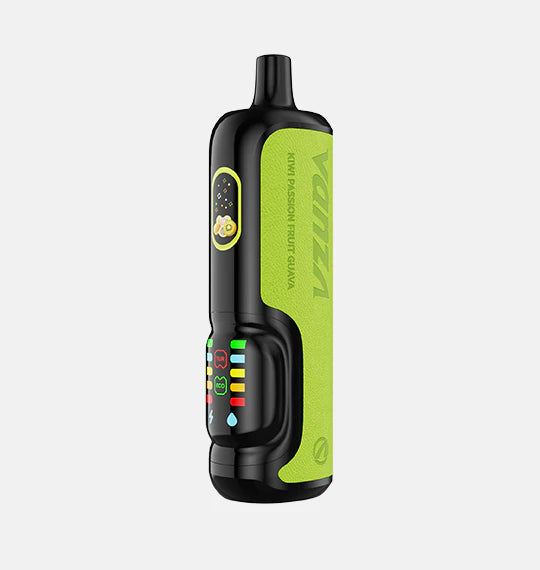
Refill Pod Supply Chain Retail-level refill pod shortages may be causing consumers to continue treating rechargeable devices as disposables. In VANZA's , device-plus-pod combinations can be configured to match target market regulatory requirements and supply realities.
Compliance Documentation The vape licensing regime is approaching. Distributors who can demonstrate product compliance and supply chain traceability will hold advantages in retailer and regulator engagement. VANZA holds a China tobacco product production license with 6+ years of export experience — its can support partner compliance documentation.
10. Summary: What the Facts Show
Confirmed:
-
Disposable vape usage dropped sharply (adults from 24% to 8%, youth from 42% to 13%)
-
Total vaping did not decline — 5.4 million vapers now outnumber 4.9 million smokers
-
Big Puff hybrid devices emerged as the new dominant category
-
Retail revenue declined, but usage may not have dropped proportionally
-
Refill pod supply gaps are causing some rechargeable devices to be used as disposables
-
Vape waste decreased 23% year-on-year
-
13% of pre-ban disposable users reported increased cigarette smoking
Still Uncertain:
-
Whether Big Puff hybrid devices will face further restrictions
-
When and how broadly flavour regulations will land
-
Whether other markets' (France, Ireland, Belgium) migration patterns mirror the UK's
-
The final structural impact of excise duty on category mix
The data is on the table. How to read it is up to you.
FAQ
Q: Is the UK disposable vape ban permanent? A: Yes. The ban was enacted via statutory instrument with no sunset clause. The Tobacco and Vapes Act further strengthens the regulatory framework with additional enforcement powers.
Q: What is a Big Puff hybrid device? A: Technically refillable and rechargeable, meeting the legal definition of "non-disposable." The typical format combines a 2ml prefilled pod with a 10ml refill reservoir, delivering approximately 6,000 puffs. Currently legal but under regulatory review.
Q: How does the UK vape excise duty work? A: From October 1, 2026, a flat duty of £2.20 applies per 10ml of nicotine-containing e-liquid. This covers all vape products — prefilled pods, bottled e-liquids, and nicotine-containing vape devices.
Q: Did vaping rates go up or down after the ban? A: Total prevalence continued to grow. The UK now has 5.4 million vapers versus 4.9 million smokers. What changed is device type and usage patterns — not whether people vape.
Q: Will the UK restrict flavours? A: The Tobacco and Vapes Act grants the government power to restrict flavours, but specific flavour regulations have not yet been enacted. Timeline and scope are pending government announcement.
Q: What should distributors prioritise right now? A: The post-duty price impact across product formats, the flavour policy timeline, refill pod supply chain stability, and compliance preparation for the incoming licensing regime.