




The Southeast Asia vape market represents one of the most dynamic growth corridors in the global tobacco harm reduction industry. With a projected market value of USD 949.3 million in 2025 and expected growth to USD 1.24 billion by 2034, the region offers substantial opportunities for wholesalers, distributors, and retailers seeking to expand their footprint in Asia's emerging markets.
This comprehensive guide examines two priority markets—the Philippines and Indonesia—while providing clear guidance on why Vietnam should be avoided due to its comprehensive 2025 ban. Whether you're a seasoned e-cigarette wholesale professional or a newcomer exploring regional business opportunities, this analysis delivers actionable intelligence for your market entry strategy.

Southeast Asia Vape Market Overview
Regional Market Dynamics
The ASEAN e-cigarette market is characterized by diverse regulatory frameworks, varying consumer preferences, and uneven economic development across its member states. The region boasts approximately 650 million inhabitants, with a young, urbanizing population increasingly open to alternative smoking solutions.
Several factors drive regional growth:
Health consciousness among adult smokers continues to accelerate as consumers seek reduced-risk alternatives to traditional tobacco products. With smoking rates remaining high across the ASEAN region—Philippines alone reports approximately 23% of adults as traditional smokers—the potential consumer base for electronic cigarettes remains substantial.
Youth demographics work in favor of vaping product adoption, as younger urban populations demonstrate higher acceptance of novel nicotine delivery systems. This demographic shift creates sustainable demand pipelines for market entrants.
Retail infrastructure maturation has made e-vapor products more accessible than ever. Convenience stores, dedicated vape shops, and social commerce platforms now provide multiple touchpoints for consumer engagement across the Philippines, Indonesia, and neighboring markets.
The regional average per-capita consumption stands at USD 1.28, though this figure masks significant variation between mature markets like the Philippines (USD 2.68) and emerging consumption patterns in other territories.
Philippines E-Cigarette Market: The Regional Leader

Market Size and Growth Trajectory
The Philippines has emerged as the region's fastest-growing e-cigarette market, posting an impressive compound annual growth rate (CAGR) of 18.7% through 2030. Current market valuation reaches USD 260.2 million in 2025, with projections indicating expansion to USD 345.6 million by 2030.
This growth trajectory positions the Philippines as the most attractive market for e-cigs wholesale operations, offering predictable expansion backed by clear regulatory frameworks and mature distribution channels.
Regulatory Framework: RA 11900 Legalization
The Philippines distinguished itself in 2022 by enacting Republic Act 11900, establishing a comprehensive legal framework for vaporized nicotine and non-nicotine products. This legislation provides several critical advantages for market participants:
Clear product registration requirements mandate that manufacturers and retailers register with government health authorities, creating a transparent operating environment that rewards compliance. The permit fee structure, approximately USD 1,200, represents a reasonable investment for legitimate market access.
Licensed distribution channels operate under defined parameters, reducing grey market competition that undermines legitimate operators in other jurisdictions. Businesses seeking to enter the Philippines e-cigs wholesale sector benefit from this regulatory clarity when planning distribution agreements and retail partnerships.
Age restriction enforcement establishes 18 years as the minimum purchase age, providing a foundation for responsible market development that supports long-term sustainability.
Distribution Channels and Retail Landscape
The Philippines retail environment demonstrates sophisticated channel diversification:
Convenience stores dominate, accounting for approximately 55% of offline e-vapor sales. Major chains including 7-Eleven have established dedicated e-cigarette display sections, recognizing the category's growth potential and margin profiles.
Specialty vape shops provide experiential retail environments where consumers can explore product variety and receive guidance from knowledgeable staff. These locations typically serve the enthusiast segment seeking advanced devices and flavor exploration.
Online channels exhibit rapid growth, particularly among younger consumers who prefer digital purchasing experiences. Social commerce integration represents an emerging opportunity for brands targeting the tech-savvy demographic.
Consumer Preferences in the Philippines
Philippine vapers demonstrate clear product preferences that should inform inventory and marketing strategies:
Disposable devices lead market share due to their convenience, portability, and zero-maintenance operation. First-time users particularly favor disposables for their approachable learning curve.
Open-system products show significant growth potential as the market matures and consumers seek customization options. This segment appeals to experienced vapers wanting control over their experience.
Flavor preferences center on cooling sensations and tropical fruits. Mango Ice, Lychee Ice, and similar profiles dominate bestseller lists, reflecting local palates and climate conditions. Sweet dessert flavors also perform well, creating opportunities for differentiated offerings.
Technical innovation attracts premium consumers. Bluetooth-enabled devices that sync with smartphone applications represent emerging interest among tech-forward users seeking enhanced control over their vaping experience.
Indonesia Vape Market: The Regional Giant
Market Scale and Economic Significance
Indonesia commands approximately 70% of the ASEAN e-cigarette market by value, making it the region's undisputed heavyweight. With over 270 million inhabitants and rising smoking prevalence among adult males, the market presents scale opportunities unmatched elsewhere in the region.
Taxation Evolution: 2024 Regulatory Changes
Indonesia's approach to e-vapor taxation has evolved significantly, with the 2024 policy adjustment (PMK 143/2023) introducing important modifications:
The government implemented a 10% surtax calculated on top of the existing excise duty, generating approximately 50% of tax revenue allocated to public health services. After these adjustments, the effective tax burden settled around 35% in 2024—a reduction from the previous 57% rate that had constrained market growth.
This tax reduction produced measurable effects on consumer prices, with retail costs declining approximately 23% following the policy shift. For e-cigs wholesale operations, this price compression improves competitiveness against illicit alternatives while potentially expanding the addressable consumer base.
Social Commerce Dominance
Indonesia's e-commerce landscape exhibits unique characteristics that shape e-vapor distribution:
Social commerce accounts for 35% of online sales, driven by TikTok Shop's integration with Tokopedia and aggressive influencer marketing. This discovery-driven shopping model favors brands with strong visual content and community engagement.
"Stealth payment" features address religious sensitivities among certain consumer segments, enabling purchases through indirect transaction flows that maintain discretion.
Geographic distribution challenges require strategic thinking given Indonesia's 17,000+ islands. Last-mile delivery to outer islands remains a significant logistics consideration, favoring partners with established regional warehousing capabilities.
Indonesian Consumer Preferences
Indonesian vapers exhibit distinct behavioral patterns:
Fruit flavors dominate, with tropical profiles (mango, lychee, watermelon) showing particularly strong performance. The climate and consumer palates align well with refreshing, sweet combinations.
Dessert and beverage flavors including milk tea, bubble tea, and donut variants attract younger consumers seeking novel experiences.
Price sensitivity influences purchasing decisions, with the tax-adjusted price point now more favorable for mainstream consumer adoption. Value-oriented products perform well alongside premium offerings.
Vietnam Vape Market: Why to Avoid
Comprehensive Ban Implementation
Vietnam represents a market that serious operators should actively avoid. The country enacted comprehensive prohibition on e-cigarettes effective January 1, 2025, following National Assembly Resolution 173/2024 passed in November 2024.
The prohibition scope is exhaustive, covering:
- Manufacturing, trading, importing, storing, and transporting e-cigarettes
- Devices with and without nicotine e-liquids
- Heat-not-burn products including IQOS
- All vaping device components and accessories
Decree 371/2024, effective December 31, 2025, establishes detailed penalty schedules including fines up to VND 3 billion (approximately USD 117,700) for large-scale violations and criminal liability including up to 15 years imprisonment for organized smuggling operations.
Enforcement Reality
Enforcement has intensified at major transportation hubs including Tan Son Nhat Airport in Ho Chi Minh City and Noi Bai Airport in Hanoi. Street-level enforcement continues expanding in major cities and tourist areas.
While underground markets persist on Facebook and TikTok, operating in these channels carries substantial legal and reputational risk that outweighs potential returns.
Market Exclusion Conclusion
For e-cigs wholesale operations seeking sustainable growth, Vietnam should be excluded from market development plans. Resources should instead concentrate on the attractive opportunities available in the Philippines and Indonesia.
Consumer Preferences Across Southeast Asia

Flavor Trends
Asian vapers demonstrate consistent preference patterns that transcend national boundaries:
| Flavor Category | Popular Profiles | Appeal Factors |
|---|---|---|
| Fruit Ice | Mango Ice, Lychee Ice, Grape Ice | Refreshing, tropical authenticity |
| Desserts | Milk Tea, Boba, Donut | Indulgent sweetness |
| Menthol | Mint Ice, Pure Menthol | Traditional coolness |
| Beverages | Cola, Energy Drinks | Novelty factor |
Ice factor remains essential across all flavor categories. Products without cooling elements face significant market disadvantage in the tropical climate.
Product Type Preferences
Disposable devices command 35-40% market share as the entry point for new users and preferred format for convenience-oriented consumers.
Open-system products capture 45-50% in mature markets like Malaysia, with growth potential elsewhere as markets develop.
Closed pod systems represent approximately 20% of sales, with particular strength in Thailand and emerging markets.
Nicotine Strength Preferences
Asian consumers favor moderate-to-high nicotine concentrations ranging from 20-50 mg/ml using salt nicotine formulations. This preference reflects:
- Traditional smoking intensity patterns
- Desired throat hit satisfaction
- Compact device compatibility
Product planning should accommodate these concentrations within local regulatory limits.
VANZA Product Solutions for Southeast Asia

VANZA brings nine years of industry experience, four manufacturing facilities, and over 1,500 employees to serve Asian market opportunities. The brand's "Not just selling, but partnering" philosophy aligns well with regional distributor needs for strategic support.
VANZA POLAR (35,000 Puffs) – Philippines Priority
The POLAR series delivers compelling features for the Philippine market:
Dual-mode functionality (NORM & BOOST) accommodates diverse consumer preferences, from standard体验 to enhanced intensity. This flexibility appeals to both new users and experienced vapers seeking variable experiences.
3D status screen provides real-time e-liquid and battery monitoring, differentiating the product in a crowded disposable segment. Visual feedback on remaining consumption supports purchase confidence.
Quad Mesh coil technology ensures consistent flavor delivery from first puff to last, addressing the quality consistency that drives repeat purchases and positive word-of-mouth.
28ml e-liquid capacity with 35,000 maximum puffs delivers exceptional value positioning for cost-conscious Philippine consumers while maintaining premium perception.
Recommended for Philippines distribution: POLAR in Mango Ice, Lychee Ice, and other tropical cooling profiles aligned with local preferences.
VANZA MAGIC (15,000+ Puffs) – Indonesia Strategy
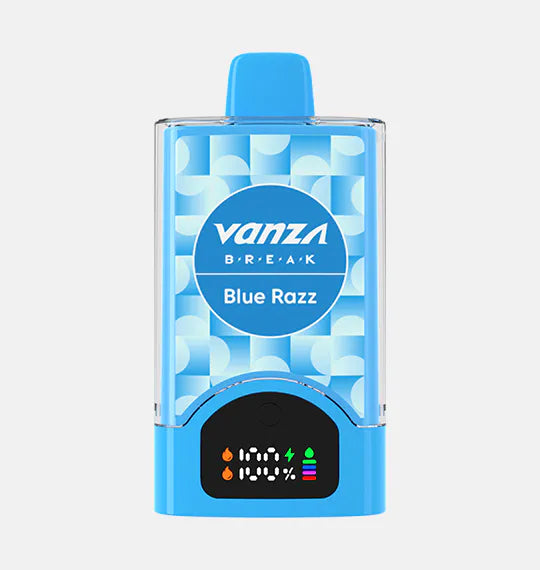
MAGIC's transparent tank design addresses Indonesian consumer priorities:
Visible e-liquid reservoir enables users to monitor consumption, reducing anxiety about running empty unexpectedly—a valuable feature for consumers in areas with inconsistent retail access.
Ceramic coil technology produces approximately 50% more vapor than traditional mesh coils, supporting the dense cloud preferences of Indonesian enthusiasts while maintaining flavor fidelity.
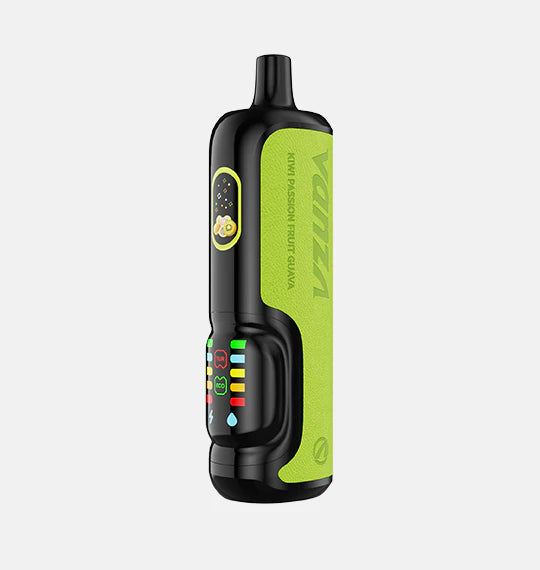
5-color breathing LED adds visual appeal that photographs well for social commerce channels dominating Indonesian online sales.
15ml capacity strikes an optimal balance between portability and duration, supporting active lifestyles across Indonesia's urban centers.
Recommended for Indonesia distribution: MAGIC in Grape Ice, Mango Ice, and tropical fruit combinations that photograph compellingly for social media marketing.
VANZA CUBIC (12,000 Puffs) – Philippine Premium Segment
CUBIC addresses the sophisticated open-system demand emerging in the Philippines:
Refillable pod system with 12ml capacity satisfies customization-seeking consumers who want control over their e-liquid choices while maintaining device convenience.
Dual mode architecture (ECO & BOOST) enables users to optimize between extended duration and flavor intensity based on usage context.
Square form factor provides distinctive shelf presence and modern aesthetic appeal for specialty retail environments.
20+ available flavors support inventory breadth requirements for retailers serving diverse consumer preferences.
Recommended for Philippines premium retail: CUBIC devices positioned in specialty shops and premium convenience store sections.
VANZA 70K (70,000 Puffs) – Bulk Value Proposition
The 70K series addresses high-volume consumer segments across priority markets:
Exceptional puff capacity supports travel-heavy lifestyles and value-seeking consumers prioritizing economics.
ECO/TUR dual mode provides flexibility across usage scenarios, from extended travel to intensive sessions.
Recommended for wholesale bulk channels and convenience store chains seeking high-velocity value products.
How to Enter the Southeast Asia E-Cigarette Wholesale Market
Step 1: Market Prioritization
Focus resources on Philippines and Indonesia as primary targets:
Philippines advantages: Legalized framework, 18.7% growth rate, mature convenience store distribution, regulatory predictability.
Indonesia advantages: Largest market by scale, social commerce infrastructure, tax reduction opportunity, tropical flavor alignment.
Step 2: Regulatory Compliance
Ensure product and business compliance for target markets:
Philippines requirements:
- FDA product registration
- Manufacturer/retailer licensing
- Health warning label compliance
- Age restriction enforcement
Indonesia requirements:
- Excise tax registration
- Product approval through relevant authorities
- Distribution agreement structuring
- Import documentation
Step 3: Distribution Partnership Development
Identify and cultivate appropriate channel partners:
Philippines: Major convenience store chains, specialty retailers, emerging online platforms.
Indonesia: Social commerce aggregators, Tokopedia/TikTok Shop sellers, traditional retail distributors, regional island coverage partners.
Step 4: Product Localization
Adapt offerings to local preferences:
- Prioritize Fruit Ice flavor profiles
- Include menthol/cooling variants in all product lines
- Adjust nicotine concentrations to regional preferences (20-50 mg/ml)
- Prepare bilingual packaging materials
Step 5: Marketing and Brand Building
Build market presence through appropriate channels:
- Social media engagement (regional platform preferences vary)
- Influencer partnerships for authenticity
- Point-of-sale activation in retail environments
- Trade show participation for B2B relationship development
Frequently Asked Questions (FAQ)
1. What is the current state of the Southeast Asia vape market?
The regional market is valued at approximately USD 949.3 million in 2025, with projected growth to USD 1.24 billion by 2034 at a 2.95% CAGR. The Philippines leads growth at 18.7% annually, while Indonesia dominates by market share at approximately 70% of regional value.
2. Is vaping legal in the Philippines?
Yes. The Philippines legalized vapor products through Republic Act 11900 (RA 11900), establishing a comprehensive regulatory framework covering product registration, licensing requirements, and age restrictions. The market operates with clear rules for manufacturers, distributors, and retailers.
3. What are Indonesia's e-vapor regulations?
Indonesia imposes excise taxation on e-cigarettes at approximately 35% of retail price following 2024 adjustments. Products must comply with registration requirements and carry appropriate health warnings. The market operates legally with taxation as the primary regulatory mechanism.
4. Can I wholesale e-vapor products in Vietnam?
No. Vietnam implemented a comprehensive ban on e-cigarettes effective January 1, 2025, prohibiting manufacturing, trading, importing, storing, and using these products. Violations carry substantial fines and potential criminal liability. This market should be excluded from business planning.
5. What flavors perform best in Asian markets?
Fruit Ice flavors dominate across the region, particularly Mango Ice, Lychee Ice, and Grape Ice profiles. Dessert flavors including milk tea and boba variants also perform well. The cooling/menthol element is essential in tropical climates and should be included in most product offerings.
6. What nicotine strength do Asian consumers prefer?
Consumers in this region typically prefer nicotine salt formulations ranging from 20-50 mg/ml. This concentration range provides satisfactory throat hit and nicotine delivery while maintaining compatibility with compact device form factors.
7. How can I partner with VANZA for regional distribution?
For wholesale and distribution partnership inquiries, contact VANZA's business development team at business@vanzatech.com. VANZA offers dedicated support for market entry including product selection guidance, marketing materials, and ongoing partnership coordination to support your market development.
Conclusion
The regional market presents compelling opportunities for strategic market entrants, with the Philippines and Indonesia offering the most favorable combination of market scale, growth trajectory, and regulatory clarity.
The Philippines delivers the fastest growth (18.7% CAGR) within a well-defined legal framework, making it ideal for operators seeking predictable expansion. Indonesia provides unmatched scale as the market leader, with improved tax economics following 2024 adjustments and sophisticated social commerce infrastructure.
Vietnam should be categorically excluded from market development plans due to comprehensive prohibition effective 2025.
VANZA's product portfolio—POLAR, MAGIC, CUBIC, and 70K series—aligns directly with Asian consumer preferences, offering fruit ice profiles, optimal nicotine concentrations, and price-performance combinations suited to regional market dynamics.
Ready to explore regional wholesale opportunities with a committed manufacturing partner? Reach out to business@vanzatech.com for partnership discussions, product samples, and market-specific guidance.
VANZA: 9 Years of Innovation | 4 Manufacturing Facilities | 1,500+ Team Members | From First Puff to Last
Contact for Business Inquiries: business@vanzatech.com
Website: vanzanow.com
Wholesale Partnerships Welcome