



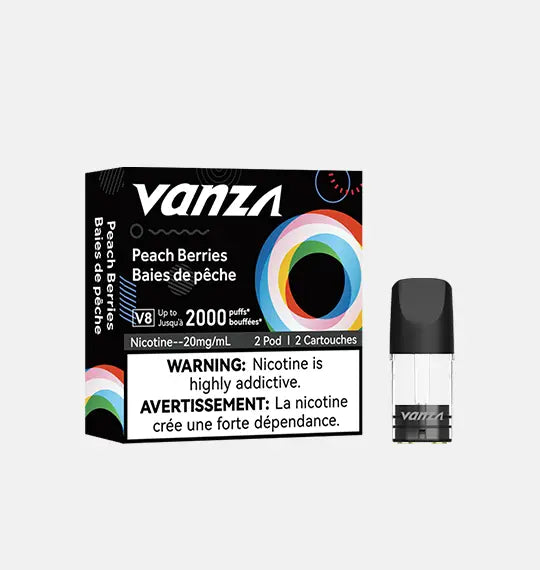
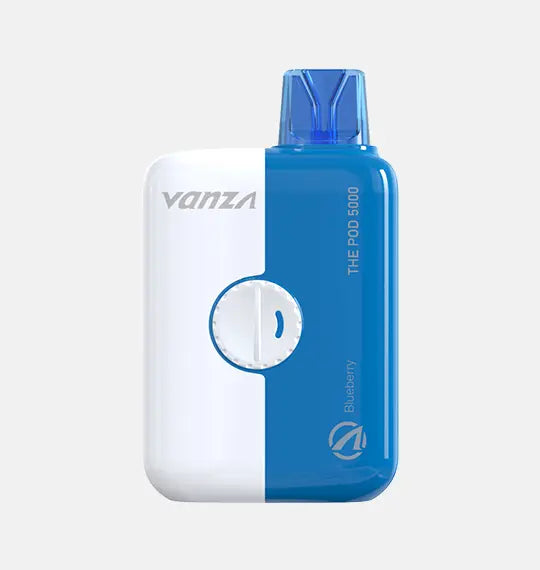
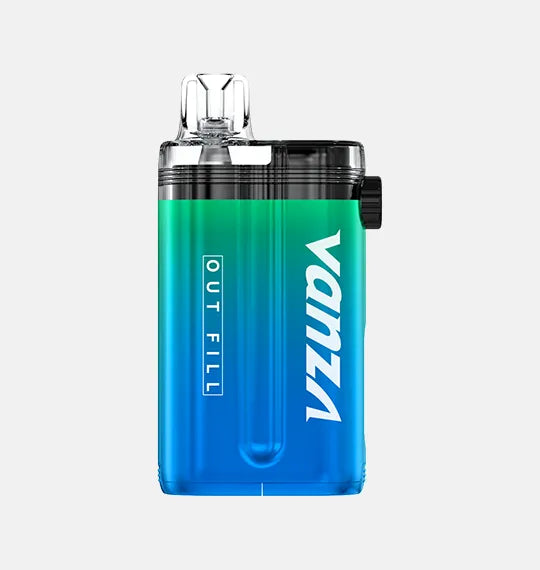
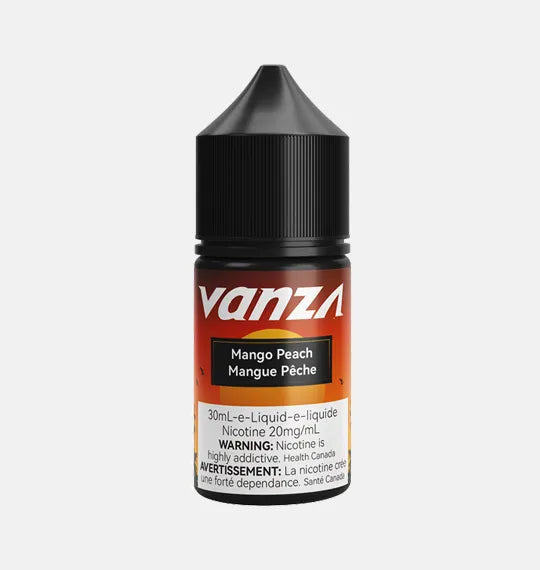

Opening a successful vape shop requires more than passion—it demands careful planning, market understanding, and strategic supplier partnerships. This comprehensive guide provides a complete business plan template covering market research, startup costs, location strategy, supplier selection, and marketing approaches. Includes real-world tips, common pitfalls to avoid, and guidance on partnering with established brands like VANZA for long-term success.
Why You Need a Solid Business Plan
The vaping industry continues to evolve rapidly. Between shifting regulations, market consolidation, and changing consumer preferences, launching without a clear roadmap is risky. A solid business plan isn't just for lenders—it's your operational compass.
The reality check:
- 20% of new vape shops close within the first year
- Regulatory changes affect 40%+ of shops annually
- Suppliers come and go; partner selection is critical
- Margins vary dramatically by location and product mix
A business plan forces you to answer hard questions before they become problems.
What a Plan Actually Does
For you:
- Validates your market assumptions
- Identifies startup capital needs
- Creates accountability milestones
- Guides daily decision-making
For investors/lenders:
- Demonstrates market understanding
- Shows realistic revenue projections
- Highlights risk awareness
- Proves professional preparation
Market Research and Location Strategy
Understanding Your Target Market
Before selecting a location, define your customer:
Primary customer profiles:
| Profile | Characteristics | Product Preferences |
|---|---|---|
| Former smokers | 25-55, health-conscious | Pod systems, MTL devices |
| Flavor enthusiasts | 21-35, experimenters | Disposables, variety packs |
| Cloud chasers | 21-40, hobbyists | Sub-ohm, mods, accessories |
| Budget seekers | 25-45, price-sensitive | High-puff disposables |
| Social vapers | 18-30, lifestyle-oriented | Trendy disposables, gifts |
Market sizing questions:
- How many adults 19+ live within 3 miles?
- What's the smoking rate in your area?
- Are there existing vape shops? What are they missing?
- What's the average income level?
- What's the age distribution?
Location Analysis Framework
Location type comparison:
| Type | Pros | Cons | Best For |
|---|---|---|---|
| Strip mall | Lower rent, parking | Less visibility | Startups, secondary locations |
| Downtown | High foot traffic | Expensive, regulations | Premium positioning |
| Shopping center | Built-in traffic | Competition | Volume-focused |
| Standalone | Full control | All responsibility | Experienced operators |
Key location factors:
- Visibility: Can potential customers see your store?
- Accessibility: Is there easy parking or transit?
- Demographics: Does the surrounding population match your target?
- Competition: Are there vape shops within 1 mile?
- Regulations: Does local zoning allow vape retail?
- Cost: Does the rent fit your financial model?
Regulatory Considerations
Questions to investigate:
- Minimum age verification requirements (21 in US, 19 in Canada)
- Flavor restrictions or bans in your jurisdiction
- Licensing requirements for vape retail
- Operating hour restrictions
- Indoor vaping regulations (staff and customers)
- Advertising restrictions
Compliance tip: Contact your local Small Business Administration or industry association for jurisdiction-specific guidance.
Business Plan Template: Section by Section
Executive Summary
1-2 pages, written last but placed first
Template content:
[Business Name] is a vape retail business serving [target market] in [location area]. We offer [product categories] with a focus on [differentiation—price, selection, service, expertise].
Founded by [background/qualifications], we seek $[amount] in startup capital to launch operations by [target date].
Our projected revenue is $[Year 1 projection] with profitability by [Month X, Year 1].
Company Description
Include:
- Legal structure (Sole proprietorship, LLC, Corporation)
- Ownership information
- Mission statement
- Business goals (1 year, 3 year, 5 year)
- Why this business exists beyond profit
Market Analysis
Required elements:
- Industry overview: Vape market size ($18B+ globally), growth trajectory
- Target market definition: Specific demographics, psychographics, behaviors
- Competitive analysis: Direct competitors, indirect competitors, substitutes
- SWOT analysis:
- Strengths (what you do well)
- Weaknesses (areas to improve)
- Opportunities (market gaps)
- Threats (regulations, competition, trends)
Products and Services
For vape retail, detail:
- Product categories: Disposables, pods, e-liquids, devices, accessories
- Supplier relationships: Brands you'll carry
- Pricing strategy: Premium, competitive, value
- Additional services: Stands, troubleshooting, coils, VIP programs
Marketing and Sales Strategy
Cover:
- Customer acquisition channels (social, local SEO, events)
- Retention strategies (loyalty programs, email, rewards)
- Sales process (in-store, online, both)
- Promotional calendar (holidays, industry events)
- Budget allocation (typically 5-10% of revenue)
Operations Plan
Document:
- Operating hours
- Staffing requirements (number, roles, training)
- Inventory management system
- Point-of-sale setup
- Customer service protocols
- Compliance procedures
Startup Costs Breakdown
Realistic Cost Estimates (2026)
One-time startup costs:
| Category | Low Estimate | Mid Estimate | High Estimate |
|---|---|---|---|
| Initial inventory | $10,000 | $20,000 | $40,000 |
| Storefront (3-month deposit) | $6,000 | $15,000 | $30,000 |
| Leasehold improvements | $3,000 | $10,000 | $25,000 |
| Fixtures and displays | $2,000 | $5,000 | $12,000 |
| POS system and equipment | $1,500 | $3,000 | $6,000 |
| Licensing and permits | $500 | $1,500 | $3,000 |
| Marketing launch budget | $1,000 | $3,000 | $7,000 |
| Insurance (first year) | $1,200 | $2,500 | $5,000 |
| Legal and accounting | $1,000 | $2,000 | $5,000 |
| Working capital reserve | $5,000 | $10,000 | $20,000 |
| Total startup capital | $32,200 | $72,000 | $153,000 |
Ongoing Monthly Costs
| Expense | Low | Mid | High |
|---|---|---|---|
| Rent | $2,000 | $4,500 | $10,000 |
| Utilities | $300 | $500 | $1,000 |
| Insurance | $100 | $200 | $400 |
| Inventory replenishment | $3,000 | $6,000 | $12,000 |
| Staffing (1-3 employees) | $2,500 | $5,000 | $12,000 |
| Marketing | $300 | $600 | $1,500 |
| POS/technology | $100 | $200 | $400 |
| Miscellaneous | $200 | $400 | $800 |
| Total monthly expenses | $8,500 | $17,400 | $38,100 |
Revenue Projections
Sample model (mid-tier location):
- Average transaction: $25
- Daily transactions: 30 (Year 1), growing to 50 (Year 3)
- Monthly revenue: $22,500 (Year 1), $37,500 (Year 3)
- Gross margin: 35-45% on products
- Net profit: $3,000-8,000/month by Year 2
Supplier Selection Checklist
Why Supplier Choice Matters
Your supplier is your most critical business partnership. The wrong supplier creates:
- Quality control problems
- Inconsistent inventory
- Missed regulatory compliance
- Margin pressure
- Customer complaints
Supplier Evaluation Criteria
Rate each potential supplier on these factors:
| Criteria | Weight | Questions to Ask |
|---|---|---|
| Product quality | High | Certifications? Testing? Return rates? |
| Pricing structure | High | Wholesale pricing? Volume discounts? MOQ? |
| Reliability | High | On-time delivery? Fill rates? Communication? |
| Product range | Medium | Which categories? Exclusive products? |
| Market support | Medium | Marketing materials? Staff training? |
| Regulatory compliance | High | Licenses? Market-specific formulations? |
| Payment terms | Medium | Net 30? Credit available? |
| Growth partnership | Medium | Will they grow with you? Custom products? |
Red Flags to Watch
🚩 Unrealistically low prices — Quality suffers or products are non-compliant
🚩 No minimum order quantities — May indicate unreliable inventory
🚩 Vague about certifications — Compliance is critical
🚩 No marketing support — Partners invest in your success
🚩 Communication delays — Preview of future support quality
🚩 Negative reviews — Online reputation matters
Recommended Approach
Diversify across 2-3 suppliers:
- Primary supplier: Full product range, best terms, strategic partner
- Secondary supplier: Niche products, competitive pricing, backup inventory
- Specialty supplier: Accessories, unique items, margin boosters
Store Setup and Design Tips
Layout Principles
Effective vape shop layouts balance:
- Browse zone: Allow customers to explore freely
- Consultation area: Space for conversations, new customer education
- Point of sale: Efficient checkout without friction
- Storage: Accessible but not customer-facing
- Sampling station: Where legal, allow e-liquid testing
Visual Merchandising
Product placement hierarchy:
| Zone | Products | Rationale |
|---|---|---|
| Entrance display | New arrivals, best sellers | Capture attention immediately |
| Eye-level shelves | Premium products, gifts | High visibility, perceived value |
| Counter display | Impulse items, accessories | Last-chance add-ons |
| Wall panels | Flavors by category | Organized browsing |
Display best practices:
- Use brand-provided display materials when available
- Group products by category (disposables, pods, hardware)
- Include price points clearly
- Maintain stocked, not sparse, appearance
- Update displays with new products weekly
Creating the Right Atmosphere
Vape shop ambiance factors:
- Clean, modern aesthetic
- Adequate lighting (not harsh fluorescent)
- Comfortable temperature
- Pleasant scent management
- Background music (appropriate volume)
- Knowledgeable, welcoming staff
Marketing and Grand Opening Strategy
Pre-Opening Marketing (8-12 weeks before)
Build anticipation:
- Social media launch: Create accounts, post behind-the-scenes content
- Local SEO setup: Google Business Profile, local directory listings
- Email capture: Build a waitlist with exclusive opening offers
- Community involvement: Sponsor local events, partner with compatible businesses
- Press releases: Announce to local media
Grand Opening Event
Components of successful launches:
| Element | Purpose | Example |
|---|---|---|
| Special discounts | Drive initial traffic | 20% off opening weekend |
| Free samples | Product introduction | One free pod with purchase |
| Raffle/prizes | Social sharing, excitement | Win $100 store credit |
| Limited editions | Urgency, collectibility | Grand opening exclusive flavor |
| Staff expertise | Education, trust building | Free consultations |
| Social media activation | Digital reach | Photo contest, hashtag campaign |
Promotional budget: Allocate $2,000-5,000 for grand opening marketing.
Ongoing Marketing Channels
High-ROI activities for vape retail:
- Loyalty programs: Stamp cards, points systems, VIP tiers
- Email marketing: New arrivals, promotions, educational content
- Social media: Instagram, TikTok, Facebook for product showcases
- Local SEO: Consistent NAP, reviews, local content
- Events: Industry meetups, product launches, tasting events
- Referral programs: Word-of-mouth incentives
Common Mistakes to Avoid
Pitfall 1: Underestimating Regulations
Mistake: Opening without understanding local compliance requirements.
Reality: Regulations vary by city, state/province, and country. Some require specific licenses, signage, age verification systems, or prohibit certain products entirely.
Prevention: Consult a lawyer specializing in vape/ tobacco regulations before investing.
Pitfall 2: Over-Investing in Inventory
Mistake: Spending 60%+ of startup capital on inventory.
Reality: Unsold inventory is dead capital. Market trends shift, flavors don't sell, and you're stuck with products customers don't want.
Prevention: Start lean, reorder based on actual sales data, maintain 30-45 days of inventory.
Pitfall 3: Choosing the Wrong Location
Mistake: Selecting a location based on price or convenience rather than market fit.
Reality: A $1,000/month rent location with no foot traffic costs more than a $2,500/month location that generates sales.
Prevention: Pay for proper market research. Analyze competitors. Test the location with a pop-up or temporary presence if possible.
Pitfall 4: Ignoring Online Competition
Mistake: Assuming local customers have no alternatives.
Reality: Online vape retailers offer convenience, selection, and often lower prices. Your advantage is immediacy, service, and experience.
Prevention: Focus on what online can't provide—immediate possession, expert advice, sampling, community.
Pitfall 5: Weak Supplier Relationships
Mistake: Treating suppliers as transactional vendors.
Reality: Strategic supplier partnerships provide marketing support, inventory flexibility, market intelligence, and competitive advantages.
Prevention: Invest time in finding the right partners. VANZA's B2B model, for example, provides marketing materials, inventory guidance, and ongoing support beyond just product delivery.
Why Partner with VANZA
The VANZA Difference
VANZA isn't just a supplier—it's a strategic partner for vape retail success:
Partnership benefits:
| Benefit | Details |
|---|---|
| 9 years industry experience | Since 2016, serving global markets |
| Manufacturing license | Compliant with Chinese and international regulations |
| Complete product range | Disposables (5K-70K), pods, accessories |
| Quality assurance | Third-party tested, consistent standards |
| Marketing support | Product images, videos, point-of-sale materials |
| Inventory guidance | Help avoid dead stock with market intelligence |
| Global compliance | Products designed for various market requirements |
Products for Retail Success
VANZA's flagship products:
| Product | Category | Best For | Retail Margin |
|---|---|---|---|
| VANZA 70K | Disposable (70,000 puffs) | High-volume seekers | 30-40% |
| VANZA POLAR | Disposable (35,000 puffs) | Premium experience | 35-45% |
| VANZA MAGIC | Disposable (15,000+ puffs) | Visual appeal | 30-40% |
| VANZA CUBIC | Refillable Pod | Cost-conscious, eco | 40-55% (pods) |
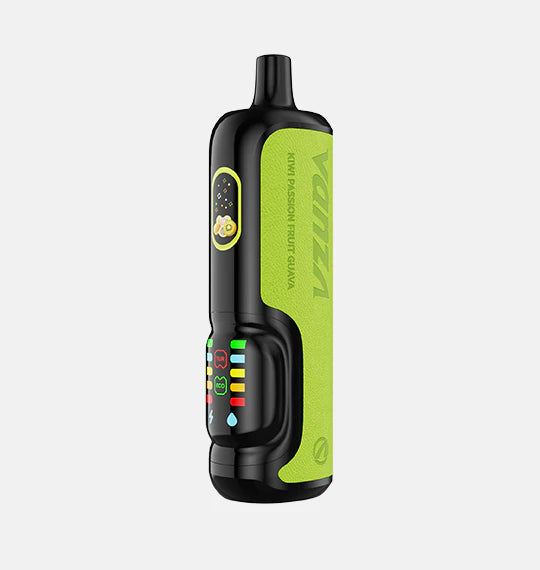
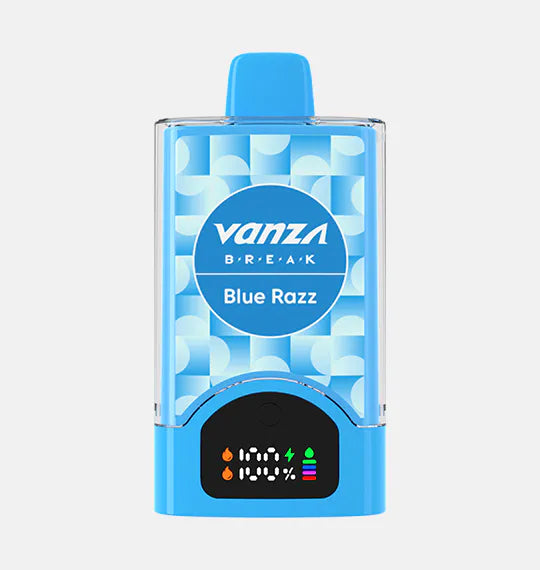
| BREAK 50K | Disposable (50,000 puffs) | Flavor variety | 30-40% |
How to Get Started with VANZA
For wholesale inquiries:
- Email: business@vanzatech.com
- Provide your business details and target markets
- Request sample orders to evaluate quality
- Discuss terms, MOQ, and shipping
Partner support includes:
- High-resolution product images
- Marketing materials and point-of-sale displays
- Staff training resources
- Regular market updates
- Flexible ordering for seasonal adjustments
Frequently Asked Questions
Q: How much capital do I really need to open a vape shop?
A: Plan for $50,000-100,000 as a realistic startup range. This covers inventory, lease deposits, fixtures, licensing, and 3-6 months of operating expenses. Having a working capital reserve prevents cash flow crises during ramp-up.
Q: Do I need special licenses to sell vape products?
A: Requirements vary by jurisdiction. In the US, some states require tobacco retail licenses; federally, you must follow T21 age verification. Canada requires provincial compliance. Research your local requirements and budget $500-3,000 for licensing.
Q: What's the best product mix for a new shop?
A: Start with proven categories: disposables (50-60% of SKUs), pod systems (20-30%), and accessories (10-20%). VANZA recommends stocking 3-5 hero products with variety across each category.
Q: How do I compete with online retailers?
A: Leverage your advantages: immediate possession, expert advice, sampling (where legal), community building, and personalized service. Don't compete on price—compete on experience and trust.
Q: What margins should I expect?
A: Typical retail margins: disposables (30-45%), pod systems (40-55%), e-liquids (50-70%), accessories (50-80%). Your blend depends on customer mix and competitive environment.
Q: How long until profitability?
A: Most new vape shops reach profitability in 8-18 months. Key factors: location quality, product selection, marketing effectiveness, and expense control. VANZA partners report successful ramp-ups within this range.
Q: Should I also sell online?
A: Online adds complexity (separate compliance, fulfillment, marketing) but expands reach. Start in-store only, prove the model, then expand online with age verification systems and proper licensing.
Advanced Financial Planning
Break-Even Analysis
Understanding your break-even point is crucial for financial planning and investor confidence.
Break-even formula:
Break-Even Units = Fixed Costs / (Average Price - Variable Cost per Unit)
Example calculation:
- Monthly fixed costs: $17,400 (rent, utilities, insurance, staffing)
- Average sale: $28
- Average cost of goods: $17 (40% margin)
- Contribution margin: $28 - $17 = $11
- Break-even: $17,400 / $11 = 1,582 sales/month
Daily break-even: ~53 transactions/day
Strategies to improve break-even:
- Increase average transaction value through upselling
- Improve margins through supplier negotiation
- Reduce fixed costs through efficient operations
- Optimize product mix toward higher-margin items
Cash Flow Management
Cash flow considerations for vape retail:
Startup phase challenges:
- Initial inventory investment ($20,000-40,000)
- Marketing spend before revenue builds
- Operating costs during ramp-up period
- Unexpected expenses (licensing delays, equipment failures)
Working capital requirements:
- Maintain 3-6 months of operating expenses in reserve
- Establish credit lines before you need them
- Negotiate favorable payment terms with suppliers
- Monitor cash conversion cycle (inventory to sale to cash)
Cash flow optimization strategies:
- Negotiate Net-30 or Net-45 payment terms with suppliers
- Offer early payment discounts to customers (rare in retail)
- Monitor inventory turnover (target: 6-8 turns/year)
- Manage payroll timing strategically
Financial Projections
Three-year projection template:
Year 1:
- Revenue: $270,000 (Year 1 target)
- Gross margin: 38% ($102,600)
- Operating expenses: $210,000
- Net profit: -$107,400 (loss expected)
- Cash flow: Break-even by Month 10-12
Year 2:
- Revenue: $400,000 (48% growth)
- Gross margin: 40% ($160,000)
- Operating expenses: $230,000
- Net profit: -$70,000 (reduced loss)
- Cash flow: Break-even achieved
Year 3:
- Revenue: $520,000 (30% growth)
- Gross margin: 42% ($218,400)
- Operating expenses: $260,000
- Net profit: -$41,600 (approaching profitability)
- Cash flow: Sustainable operations
Note: Projections vary by location, market, and execution. Adjust based on your specific situation.
Legal Structure and Compliance
Choosing the Right Business Entity
Entity comparison:
| Structure | Pros | Cons | Best For |
|---|---|---|---|
| Sole Proprietorship | Simple, low cost | Personal liability | Testing markets |
| Partnership | Shared risk, resources | Shared liability | Business partners |
| LLC | Liability protection, flexibility | State fees, paperwork | Most retail operations |
| Corporation (C-Corp) | Tax benefits, investor appeal | Complex, double taxation | Seeking investment |
| S-Corporation | Tax efficiency | Limited shareholders | Profitable small business |
Recommendation: Most new vape retailers start as LLCs for liability protection with reasonable complexity and cost.
Regulatory Compliance Checklist
Federal/Regional requirements:
- Business registration
- Tax identification number (EIN)
- Sales tax permit
- Tobacco/vape retail license (where required)
- Age verification system compliance
- TPD notification (EU)
- TGA compliance (Australia)
State/Provincial requirements:
- State business license
- State tobacco/vape license
- Health department permits (if sampling)
- Zoning verification
Local requirements:
- Business operating permit
- Fire safety inspection
- Signage permits
- Health permits (food/beverage sampling)
Age Verification Best Practices
Implementing compliant age verification:
Technology solutions:
- Digital ID scanning systems
- Biometric age verification
- Third-party age verification services
- Point-of-sale age prompts
Staff training requirements:
- Minimum age laws by jurisdiction
- Proper ID examination techniques
- Handling ID refusal situations
- Documenting compliance
Recommended verification process:
- Request ID from any customer appearing under 40 (adjust based on minimum age)
- Verify photo matches customer
- Check expiration date
- Verify date of birth meets minimum age requirement
- Record verification (where required)
- Decline sale if any doubt exists
Technology and Systems
Point-of-Sale System Requirements
Essential POS features for vape retail:
| Feature | Importance | Recommendation |
|---|---|---|
| Age verification integration | Critical | Built-in prompts, prompts staff |
| Inventory tracking | High | Real-time stock levels |
| Customer management | Medium | Purchase history, loyalty |
| Multi-location support | Medium | If expansion planned |
| Reporting and analytics | High | Sales trends, margins |
| E-commerce integration | Medium | If selling online |
| Hardware reliability | Critical | Commercial-grade equipment |
Recommended systems:
- Square for Retail (user-friendly, affordable)
- Lightspeed (advanced inventory management)
- Shopify POS (e-commerce integration)
- Revel Systems (enterprise features)
Inventory Management Systems
Effective inventory management requires:
Stock tracking:
- Real-time visibility across all products
- Low-stock alerts
- Reorder point automation
- Batch tracking for recalls
Category management:
- Disposables tracking by SKU
- Pod system components (device vs. pods)
- E-liquid by flavor profile
- Hardware and accessories
Reporting:
- Sell-through rates by product
- Gross margin return on investment (GMROI)
- Inventory turnover analysis
- Dead stock identification
Customer Relationship Management
Building customer loyalty through CRM:
Data collection:
- Purchase history
- Flavor preferences
- Contact information
- Communication preferences
Communication strategies:
- New product announcements
- Loyalty program updates
- Industry news (regulations, trends)
- Personalized recommendations
Tools:
- Email marketing platforms (Mailchimp, Klaviyo)
- SMS marketing (where permitted)
- Social media engagement
- In-store loyalty programs
Risk Management
Identifying Business Risks
Operational risks:
- Supplier disruption
- Key employee departure
- Equipment failure
- Inventory shrinkage
- Crime/theft
Market risks:
- Regulatory changes
- Competitive pressure
- Economic downturn
- Consumer preference shifts
- Supplier price increases
External risks:
- Natural disasters
- pandemics
- Supply chain disruptions
- Interest rate changes
- Inflation
Mitigation Strategies
For each identified risk, develop:
| Risk | Mitigation Strategy | Contingency Plan |
|---|---|---|
| Supplier disruption | Multiple suppliers | Safety stock, alternative sourcing |
| Regulatory change | Monitor legislation | Flexible product mix, adaptation |
| Economic downturn | Cost control | Focus on essential products |
| Competition | Differentiation | Service quality, exclusive products |
| Crime | Security measures | Insurance, training |
Insurance coverage checklist:
- General liability
- Product liability
- Property insurance
- Workers' compensation
- Business interruption
- Cyber liability (if storing customer data)
Exit Strategy and Long-Term Planning
Building for the Future
Even while starting, consider your long-term vision:
Growth scenarios:
- Organic expansion: Open additional locations
- Wholesale pivot: Become a distributor
- Online expansion: Launch e-commerce store
- Brand development: Private label products
- Acquisition: Sell to larger player
Exit planning considerations:
Valuation factors:
- Revenue multiple (typical: 0.5-1.5x annual revenue)
- EBITDA multiple (typical: 3-6x)
- Asset value (inventory, equipment, lease)
- Location value (lease terms, demographics)
- Brand recognition
Preparing for exit:
- Maintain clean financial records
- Document all processes
- Build management team
- Develop supplier relationships
- Create brand equity
Succession Planning
If not selling, plan for continuity:
- Identify potential successors
- Document business operations
- Build key relationships (suppliers, landlord, employees)
- Create standard operating procedures
- Develop training materials
Conclusion: Your Roadmap to Vape Retail Success
Opening a vape shop represents a significant opportunity in a growing market, but success requires more than passion—it demands rigorous planning, strategic execution, and ongoing adaptation.
Your essential action items:
- Complete your business plan before investing capital
- Understand your market through thorough research
- Secure adequate financing with working capital reserves
- Choose strategic suppliers who invest in your success
- Build compliant operations from day one
- Develop customer relationships that drive repeat business
- Plan for profitability while managing cash flow
- Monitor and adapt based on real-world results
The VANZA partnership advantage:
VANZA's 9-year history in the vaping industry means we've seen markets evolve, regulations change, and countless businesses succeed and struggle. We leverage this experience to support our partners with:
- Comprehensive product lines across all categories
- Market intelligence and trend analysis
- Flexible ordering and inventory management
- Marketing support and sales training
- Responsive customer service
- Long-term partnership commitment
Whether you're just starting to explore the vape retail opportunity or ready to finalize your business plan, VANZA is here to help.
Take the next step:
- Email business@vanzatech.com for wholesale inquiries
- Request sample orders to evaluate product quality
- Schedule a consultation for market-specific guidance
- Access our B2B resource library for additional planning tools
Your journey to successful vape retail starts with a single step—make it an informed one.