




Introduction: The Shrinking Toolkit
For years, the vape industry's differentiation playbook relied heavily on two levers: bold colourways and eye-catching flavours. Bright gradients on disposable shells, cartoon characters on packaging, and exotic flavour names did the heavy lifting on shelf appeal.
That playbook is expiring.
The UK's Tobacco and Vapes Act (Royal Assent, 29 April 2026) provides powers to mandate plain packaging for vape products, with detailed consultation launched in July 2026. In the US, the FDA issued enforcement priorities guidance for unauthorized ENDS products in May 2026, and multiple states have enacted flavour restrictions. The EU's {:rel="nofollow"} is expected to tighten limits further. Across major markets, the visual and sensory hooks that once defined brand identity are being systematically removed.
But regulation doesn't eliminate differentiation — it redirects it.
The manufacturers and brands that will thrive are those shifting from surface-level aesthetics to substantive product engineering. This article examines six dimensions where meaningful differentiation can be built — and sustained — even when colours are muted and flavours are restricted.

1. Materials and Tactile Experience: The First Thing Users Touch
When you can't catch a consumer's eye with colour, you catch their hand with texture.
The shift from glossy plastic to engineered materials is already underway. Cork composites, brushed aluminium, soft-touch coatings, and matte ceramic finishes are moving from premium-tier exceptions to standard expectations. The reasoning is straightforward: when two devices look similar on a shelf, the one that feels better wins the purchase.
What's Changing
-
Natural materials: Cork, recycled aluminium, and bio-based polymers are appearing in mass-market devices. Geek Bar's Minimore, for example, uses cork-based shells with nano-coating for water resistance — a material choice that simultaneously addresses sustainability concerns and tactile differentiation.
-
Surface engineering: Matte finishes, micro-textured grips, and gradient anodisation create visual depth without relying on bright colours. These techniques work within plain packaging constraints because the packaging may be standardised, but the device itself still communicates quality through touch.
-
Weight calibration
For B2B Clients
If you're developing products for regulated markets, material selection is one of the highest-ROI differentiation investments available. The cost delta between standard ABS plastic and a textured polycarbonate blend is often marginal at scale, but the perceived quality gap is substantial.
2. Interaction and Interface Design: Differentiation Through Behaviour
A device that doeslooks different.
The past two years have seen a surge in interaction-focused innovation:
-
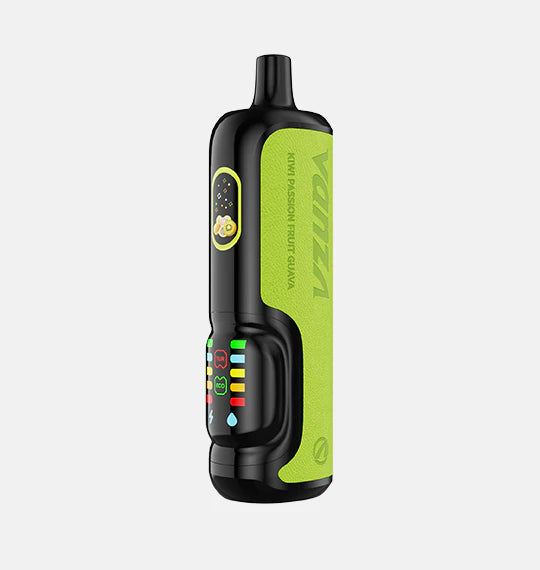
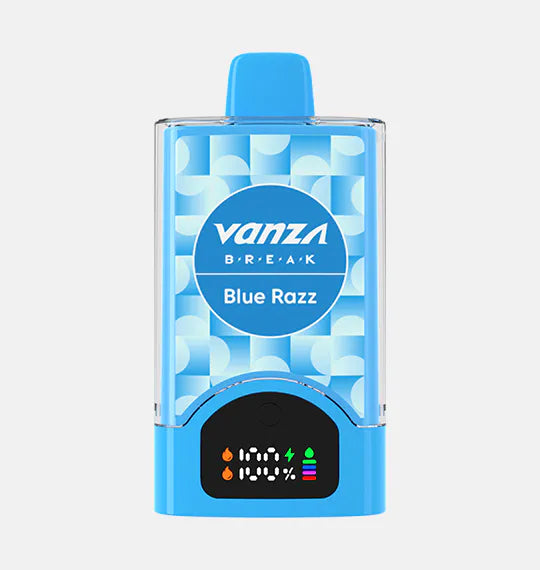
Digital displays: Smart screens showing battery percentage, puff count, and e-liquid level are transitioning from novelty to expectation. Some devices now wrap displays 360° around the body, turning the entire device into an information surface.
-
Adjustable experience: Button-controlled flavour intensity, airflow dials, and power adjustment let users personalise their experience within a single device. This is particularly valuable in flavour-restricted markets — when users can't choose between ten flavours, they appreciate choosing between three intensity profiles.
-
Modular architecture: Devices that disassemble for cleaning, battery swapping, or pod replacement create ongoing engagement beyond the initial unboxing. Modular designs also address sustainability concerns, which increasingly influence purchasing decisions in European markets.
The Smart Angle
AI-driven power adjustment — where the device reads puff patterns and optimises output in real time — is emerging as a genuine differentiator. FEELM's SEESAW solution, for instance, uses AI to adjust power based on puff duration and intensity, claiming up to 10% more puffs per device compared to standard output. This isn't a gimmick; it's a measurable performance improvement that users can feel.
3. E-liquid Formulation Quality: The Differentiation That Survives Every Regulation
Flavour bans restrict which flavours can be sold, not how good those permitted flavours can be.
This distinction matters enormously. In a market where only tobacco and menthol may be legal (as in several US states and likely the UK soon), the brand that makes the best tobacco flavour — not the most variety — wins.
Where Quality Shows
-
Ingredient transparency: Premium e-liquid manufacturers are publishing batch-level ingredient lists, sourcing origin for nicotine, and third-party lab results. This transparency builds trust with both B2B buyers and end consumers.
-
Nicotine salt engineering: Smoothness, throat hit consistency, and absorption rate are areas where formulation expertise creates genuine product superiority. The difference between a well-engineered 20mg salt and a generic one is immediately perceptible.
-
Stability and shelf life: Oxidation resistance, colour stability, and flavour retention over time are unglamorous but critical differentiators — especially for distribution channels with long shelf times.
The manufacturers who invest in formulation R&D now will have a compounding advantage as the market consolidates around fewer, higher-quality options.
4. Structural Innovation: Engineering Inside the Shell
When external differentiation narrows, internal engineering becomes the frontier.
Multi-chamber Modularity
The "2+10" multi-pod architecture — where a main device houses multiple small flavour chambers within regulatory volume limits — has become one of the most significant structural innovations in the regulated era. It allows users to carry multiple flavours legally while giving manufacturers a platform for ongoing consumable sales.
Transparent Tanks as Trust Mechanism
Transparent e-liquid windows serve a dual purpose: they let users monitor remaining liquid (reducing the frustration of unexpected device death) and signal product quality through visual honesty. This design element has scaled rapidly across both disposable and pod categories.
Heating System Differentiation
The choice between ceramic and mesh coil heating systems fundamentally shapes the user experience — flavour fidelity, consistency, and longevity. is one of the most consequential engineering decisions a manufacturer makes, and it directly impacts end-user satisfaction in ways that packaging never can.
(See also: Ceramic vs Mesh Coil: Vape Heating Element Selection Guide 2026)
5. Information Design in Plain Packaging: Making Compliance Compelling
Plain packaging doesn't mean no packaging. It means the information hierarchy on the package becomes the primary design challenge — and the {:rel="nofollow"} makes this increasingly urgent.
When you strip away brand colours, logos, and imagery, what remains is typography, layout, and copy. This is where information design — a discipline borrowed from pharmaceutical and food packaging — becomes a competitive advantage.
What Works
-
Clear product differentiation through typography: When all packages must be the same colour, the typeface, weight, and hierarchy of text become the visual differentiator. Clean, well-structured information architecture makes products feel considered and trustworthy.
-
Functional information hierarchy: Nicotine strength, flavour name, puff count, and regulatory warnings need to be instantly scannable. The brands that invest in typography and layout will have products that look better on shelf — even within identical colour constraints.
-
Substrate and finishing: Matte vs. gloss lamination, spot UV, embossing, and paper weight all operate within plain packaging regulations (which typically govern colour and imagery, not tactile finishing). These details create shelf presence through texture rather than colour.
For a deeper look at how plain packaging regulations are reshaping product presentation, see our analysis on .
6. Brand Values and Manufacturing Story: The Differentiation That Can't Be Regulated
Regulations control what's on the package. They can't control what a brand stands for.
In an era where product aesthetics converge, the narratives brands build around sustainability, transparency, and manufacturing ethics become the last genuinely unregulated differentiation space.
Emerging Patterns
-
Sustainability storytelling: Devices designed for disassembly, recycled materials, reduced plastic — these aren't just engineering choices, they're brand statements. European consumers increasingly factor environmental responsibility into purchasing decisions.
-
Manufacturing transparency: "Designed in [X], manufactured in [Y]" is giving way to more detailed origin stories — factory certifications, quality control processes, testing protocols. B2B clients who can tell this story credibly gain a trust advantage with distributors and retailers.
-
Responsible marketing commitments: Voluntarily adopting age-gating, avoiding youth-appealling design elements, and publishing compliance documentation signals maturity. The {:rel="nofollow"} make clear that regulators are actively scrutinizing the market — brands that demonstrate responsibility build goodwill that translates into regulatory favour.
What This Means for Vape Manufacturers and Their Clients
The shift from aesthetic to substantive differentiation has direct implications for the manufacturing process:
-
Material sourcing becomes strategic: Manufacturers need relationships with material suppliers — not just plastic moulders. Metal finishing, natural material integration, and surface treatment capabilities become competitive advantages.
-
R&D investment shifts from industrial design to engineering: The next generation of differentiation lives in heating systems, airflow engineering, battery management, and smart electronics — not just exterior styling.
-
Compliance capability is a product feature: Manufacturing partners who understand regulatory landscapes across multiple markets — and can adapt product lines accordingly — save their clients time, risk, and money.
-
Quality systems become visible: Third-party certifications, batch testing, and documentation aren't just back-office requirements. They're marketing assets that B2B clients can leverage with their distribution partners.
VANZA, with over 1,500 employees and six years of export experience, supports clients across these dimensions — from material selection and structural engineering to regulatory compliance and quality documentation. We help clients build products that differentiate on substance, not just surface.
FAQ
1. Can vape products still stand out under plain packaging regulations?
Yes. Plain packaging regulations typically govern colour, imagery, and branding — not materials, texture, weight, or structural design. The device itself remains a canvas for differentiation through material choice, surface finishing, and functional design.
2. What's the most cost-effective differentiation strategy for regulated markets?
Material and surface finishing upgrades often deliver the highest perceived-quality improvement relative to cost. A textured polycarbonate shell or matte anodised finish adds minimal unit cost but significantly elevates the product's premium perception.
3. How does structural innovation help with flavour restrictions?
When flavour variety is limited, adjustable experience features — such as variable wattage, airflow control, or intensity settings — let users personalise within a narrower flavour range. Modular multi-chamber designs also allow legal flavour variety within volume restrictions.
4. Is e-liquid quality still a differentiator if flavours are restricted?
Absolutely. Flavour bans limit which flavours can be sold, not how well those flavours can be executed. In a two-flavour market (tobacco and menthol), the brand with superior formulation quality — smoothness, consistency, stability — wins decisively.
5. What role does sustainability play in product differentiation?
Growing, especially in European markets. Devices designed for disassembly, recycled or natural materials, and reduced plastic content resonate with consumers and retailers alike. Sustainability is also increasingly relevant to regulatory goodwill.
6. How can manufacturers help their clients differentiate?
By investing in material capabilities, engineering R&D, regulatory intelligence, and quality documentation. The most valuable manufacturing partners don't just make products — they help clients navigate the intersection of regulation, quality, and market positioning.
7. Will differentiation strategies change as regulations evolve further?
The direction is clear: from surface to substance. As visual and flavour levers tighten, the winning strategies will increasingly live in materials, engineering, formulation quality, and brand credibility. Manufacturers who build these capabilities now will be best positioned for the regulatory landscape ahead.
About VANZA
Founded in 2020, VANZA is a compliant e-cigarette manufacturer with over 1,500 employees and six years of export experience. We provide OEM and ODM services for clients worldwide, supporting product development from concept through mass production — with full regulatory compliance across target markets.
to discuss how we can help you build differentiated products for regulated markets.
This content is intended for adults aged 21 and over who are involved in the vaping industry. It does not encourage the use of nicotine products.
WARNING: This product contains nicotine. Nicotine is an addictive chemical.