




On July 10, 2026, the UK Department of Health and Social Care, together with the governments of Scotland, Wales and Northern Ireland, launched a 12-week public consultation proposing systematic restrictions on the packaging, appearance and retail display of vape and nicotine products (gov.uk consultation page).
The key point: this isn't about whether it will happen. The Tobacco and Vapes Act 2026 received Royal Assent on April 29 — it's already law. The current consultation determines how it will be enforced. That's a procedural step, not a policy debate.
Four Dimensions: What's Actually Being Regulated
Packaging: White Standardisation
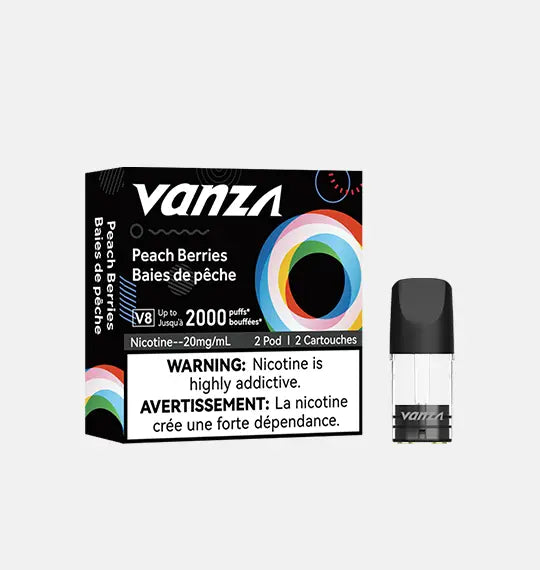
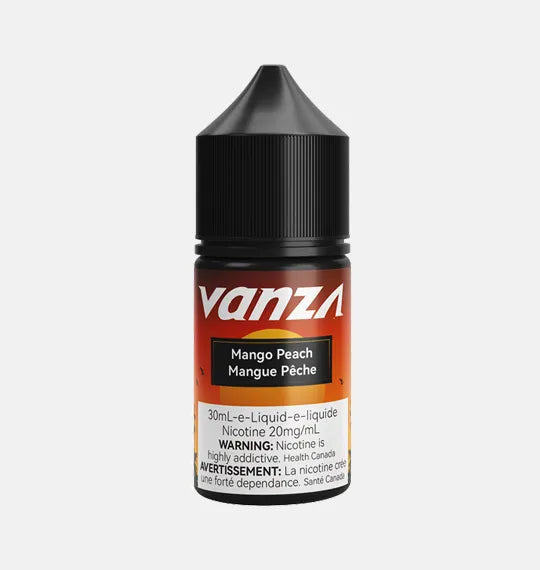
All vape product packaging must be plain white. Only a standardised product name is permitted (fixed font, fixed colour). No images, illustrations, glossy or holographic effects, or textured materials. Standardised health warnings and ingredient listings will be mandatory.
These rules cover the full range of tobacco products — including cigars, pipe tobacco, rolling papers and heated tobacco devices.
Device Appearance: Three Colours Only
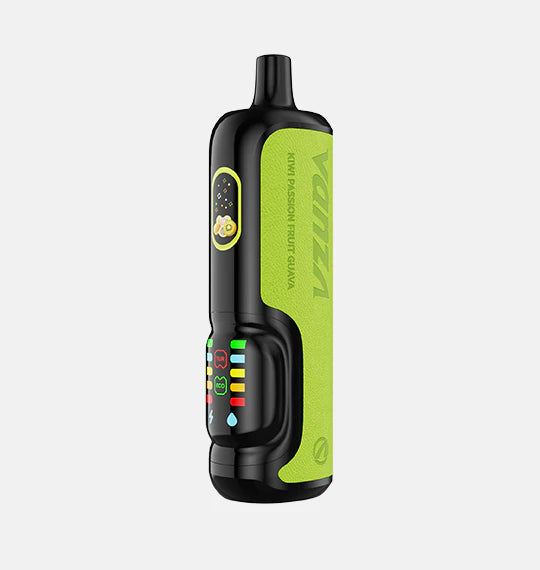
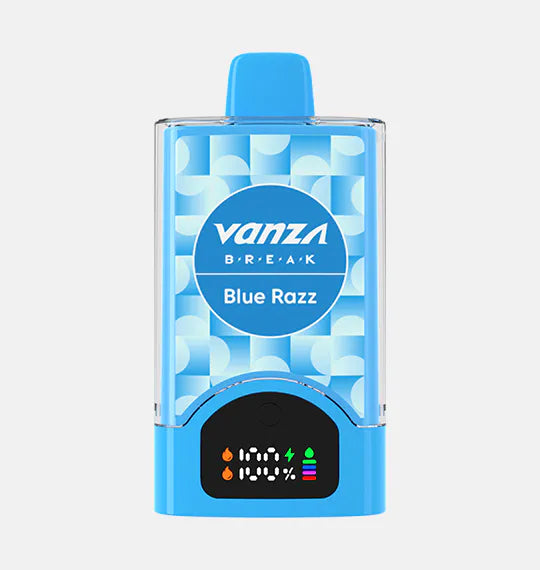
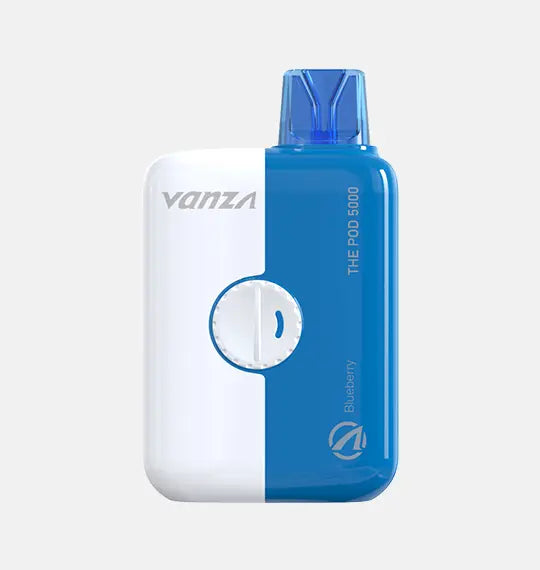
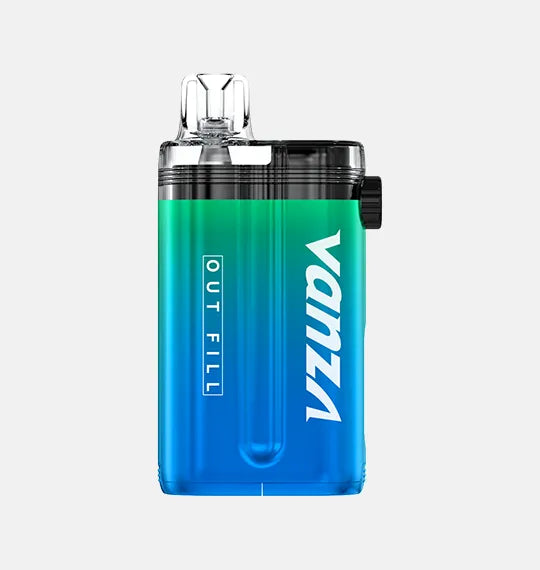
Vape device bodies will be restricted to white, black or grey — one colour per device, with a matte finish required. Decorative LED lights and decorative screens are prohibited (battery and charge indicator lights excepted). Devices must not be shaped to resemble water bottles, gaming controllers or stationery items.
Heated tobacco devices face an even stricter requirement: they must use Pantone 448C (the same colour used for cigarette plain packaging).
Flavour Naming: Restricting Names, Not Flavours
This is the part most likely to be misread. The consultation does not ban any flavours. It restricts how flavours can be named:
-
Permitted: Simple, directly identifiable descriptors — "Apple," "Strawberry," "Mint"
-
Prohibited: Concept names, sensory descriptions, and any names associated with confectionery, desserts, alcohol or soft drinks — "Blue Razz Gummy," "Cotton Candy," "Bourbon Blast" will no longer be allowed
The policy goal is to reduce marketing appeal to young people while preserving flavour choices that adult smokers can easily identify.
Retail Display: Out of Sight
Vape products will be required to move below the counter or out of customer view, treated the same way as tobacco products. Display area is capped at 1.5 square metres. Price lists may remain and can include nicotine strength and ingredient information. Existing exemptions for airport and duty-free displays will be removed.

What This Means for Manufacturers
Look at these four requirements together and the impact runs through the entire chain — from product design to packaging supply to how products appear at retail.
Packaging supply chain. Plain white standardised packaging means clients' entire packaging systems need to be redesigned. For manufacturers, the question is how long the transition takes for each client — from design approval to packaging sampling to mass delivery, the cycle typically runs 3–6 months. If multiple markets are pushing plain packaging simultaneously, packaging supplier capacity becomes a variable.
Device ID design. The white/black/grey colour restriction significantly narrows the industrial design space. Existing colourful SKUs need to be assessed for retention or modification. For manufacturers, this is a window to plan ahead: within these constraints, how do you differentiate through material texture and surface finish (matte degree, grain patterns)? That's an industrial design capability question.
Flavour naming system. The flavours themselves don't change, but the naming system does. "Blueberry Muffin" becomes "Blueberry." "Tropical Punch" needs to be broken down into specific fruit names. For manufacturers, this means working with clients to audit the compliance of existing SKU names and preparing alternative naming proposals for the UK market.
Retail visibility challenge. When products move below the counter, display area shrinks to 1.5 square metres, and all packaging turns white — how do you help clients' products stay recognisable within extremely limited display space? This places higher demands on packaging information hierarchy: the typeface, layout and visual weight of ingredient information all need to be redesigned.
Timeline: The Window Is Shorter Than It Looks
Laying out the UK's 2026–2027 regulatory timeline:

The government has committed to a minimum 12-month buffer between the consultation conclusion and plain packaging implementation. Estimating at the fastest pace: consultation closes October → government analyses responses → final rules published H1 2027 → implementation H1 2028.
Sounds far away? But packaging supply chain transitions, device colour adjustments, naming system overhauls and retail display redesigns — the preparation cycle for all of this extends well beyond 12 months. And if your clients aren't only selling in the UK, other markets are following suit.
Not Just the UK: A Global Plain Packaging Trend Is Taking Shape
The UK isn't the first, and won't be the last.
Australia pioneered plain packaging — introducing standardised cigarette packaging in 2012, and in recent years extending plain requirements to vape products, linking them to a medical-grade compliance framework.
Denmark already requires plain packaging for vapes. The Netherlands has banned flavour descriptors since 2025.
At the EU level, TPD (Tobacco Products Directive) revision discussions have explicitly included introducing mandatory plain packaging and updated health warnings across the EU. As one of the highest vape penetration markets globally, the UK moving first will provide empirical evidence for EU-wide policy implementation.
For export-oriented manufacturers, adapting to UK plain packaging requirements now is effectively preparing for multiple markets at once. Product designs that meet UK standards will carry significantly lower compliance costs in Denmark, the Netherlands, and potentially under future unified EU rules.
The Debate
Plain packaging isn't without opposition.
Christopher Snowden of the Institute of Economic Affairs points out: "Most of the public already have a misperception that vaping is at least as harmful as smoking. This false belief drives vapers back to cigarettes and discourages smokers from switching." Making vape packaging look the same as cigarette packaging may visually reinforce the "vaping = smoking" misconception.
Dr. Marina Murphy, Head of UK External Affairs at the Hippocampus Group, argues: "Blanket regulation that treats low-risk nicotine alternatives the same as traditional cigarettes makes it harder for adult smokers to identify and switch to safer options."
The UK government's design approach: restrict packaging and naming, but not flavours themselves — attempting to balance "reducing youth appeal" with "preserving choice for adult smokers trying to quit." Research from UCL and King's College London, published jointly with Action on Smoking and Health (ASH) in The Lancet Regional Health, found that under plain packaging, youth interest in vapes dropped from 53% to 38%, while adult purchase intent remained largely unaffected.
Whether this balance actually holds will require post-implementation data to verify. But for manufacturers, regardless of the debate, the direction of regulation is clear — preparing now is the most pragmatic choice.
A Manufacturer's Action Checklist
-
Audit existing UK-market SKUs for compliance gaps. Cross-reference all four dimensions (packaging / device colour / flavour naming / retail display) and flag which SKUs need adjustment.
-
Start a packaging supply chain assessment. How do the packaging requirements, lead times and costs for plain white standardised packaging compare to current specs? Can your packaging suppliers handle the capacity if multiple markets switch simultaneously?
-
Plan the device colour matrix early. Within white/black/grey constraints, differentiate through material texture, surface finish and logo placement. This requires upfront investment in industrial design.
-
Review flavour naming compliance. Prepare an alternative naming scheme for the UK market — all concept names, sensory descriptions, and confectionery/dessert/alcohol-style names must be replaced with straightforward descriptors.
-
Track other markets' follow-up timelines. Denmark and the Netherlands have already moved. The EU TPD revision is under discussion. How reusable is the UK adaptation across other markets? Can one design cover multiple compliance frameworks?
FAQ
Q1: What exactly does the UK plain packaging consultation cover? Four dimensions: plain white packaging standardisation, device body colour limited to white/black/grey, flavour naming banned from confectionery-style descriptors (flavours themselves are not restricted), and retail displays moved below the counter.
Q2: Is plain packaging already law or still being discussed? The consultation itself is an opinion-gathering process, but the legal authority is already in place — the Tobacco and Vapes Act 2026 received Royal Assent on April 29. After the consultation closes, the government will develop specific implementation rules under the existing legal framework.
Q3: Will flavours be banned? No. The policy restricts how flavours are named, not the flavours themselves. Straightforward names like "Apple" and "Strawberry" can continue. Marketing-style names like "Blue Razz Gummy" and "Cotton Candy" will be prohibited.
Q4: When will plain packaging actually take effect? The government has committed to a minimum 12-month buffer. At the fastest pace, plain packaging rules could take effect in H1 2028. But combined with the vaping products duty (October 2026) and advertising ban (June 2027), manufacturers' actual preparation window is just 12–18 months.
Q5: Is plain packaging only a UK issue? No. Australia has already implemented plain packaging for vapes. Denmark requires plain packaging. The Netherlands has banned flavour descriptors. The EU TPD revision is discussing EU-wide plain packaging. Product designs adapted to UK standards will also have a compliance foundation in other markets.
Q6: What should manufacturers start doing now? Audit existing UK-market SKUs for compliance gaps, assess packaging supply chain transition timelines, plan device colour schemes within white/black/grey restrictions, review flavour naming compliance, and monitor other markets' follow-up timelines.
VANZA: Global Compliance Adaptation — From Design to Mass Production
As the trend toward UK plain packaging and global regulatory convergence accelerates, VANZA can adapt production and compliance to meet the specific regulatory requirements of clients' target markets. From packaging design adjustments and device colour planning to flavour naming system restructuring, VANZA's full-chain manufacturing capability helps clients maintain product competitiveness within compliance frameworks.
With 6 years of export experience covering multiple countries and regions, and a team of 1,500+ employees supporting parallel multi-market delivery, VANZA is equipped to help. If your clients are preparing for UK market compliance or any other target market, get in touch.
📧 business@vanzatech.com | 🌐 vanzanow.com
About VANZA VANZA is a compliant vape manufacturer, founded in 2020, with 6 years of export experience and a team of 1,500+ employees. Products span disposable devices, closed pod systems, open refillable systems and other form factors, backed by full-chain manufacturing capability. VANZA can adapt production and compliance to meet the specific regulatory requirements of clients' target markets, and has exported to countries and regions worldwide.