



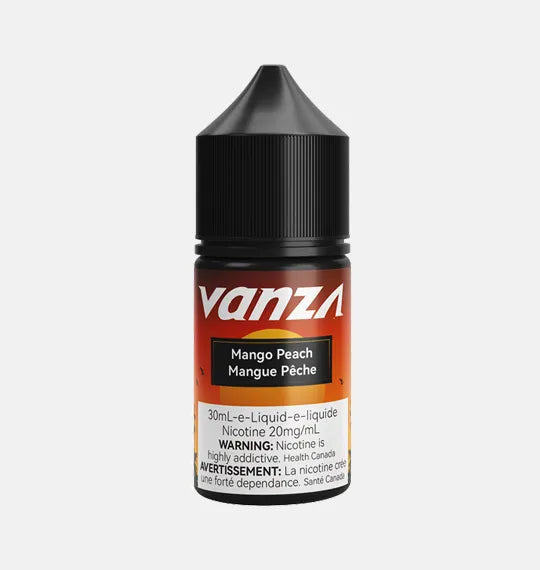

Understanding Vape Regulations: A Global Overview for Wholesalers

The global vaping industry operates in one of the most fragmented regulatory environments in consumer goods. For B2B operators — wholesalers, distributors, and export managers—navigating these regulations is not optional; it is the foundation of a sustainable business. Products that meet the highest quality standards in the factory can still be seized at the border, fined, or permanently banned from a market if they fail to meet local compliance requirements.
With nine years of industry experience, four state-of-the-art factories, and a team of over 1,500 employees across global markets, VANZA has built its operations around regulatory readiness as a core business principle. This article provides a comprehensive global overview of vape regulations, designed specifically for B2B professionals who need to make informed sourcing and distribution decisions in 2026 and beyond.
Introduction: Why Regulatory Knowledge Is a Business Asset
The days when a strong product and competitive price were enough to win market share are fading rapidly. Across every major market—North America, Europe, the United Kingdom, Canada, and Australia—governments are tightening the screws on the vaping industry with increasing speed and sophistication.
For B2B wholesalers, this shift represents both a challenge and an opportunity. Operators who understand the regulatory landscape can position themselves as trusted, reliable partners for retailers who are overwhelmed by compliance complexity. Operators who ignore it face product seizures, legal penalties, and reputational damage.
This article walks through the regulatory frameworks of the five most significant markets for international vape distributors, outlines what compliance looks like in practice, and closes with actionable guidance for wholesale buyers evaluating suppliers and product lines.
Section 1: The United States — FDA PMTA and the High Bar for Market Entry
The United States represents the world's most valuable and most demanding vape market. The Food and Drug Administration (FDA) regulates vaping products under the 2009 Family Smoking Prevention and Tobacco Control Act, requiring all electronic nicotine delivery systems (ENDS) to obtain premarket authorization via the Premarket Tobacco Product Application (PMTA) pathway before they can be legally sold.
The PMTA Process in 2026
The PMTA requires manufacturers to submit comprehensive scientific evidence demonstrating that a product is "appropriate for the protection of the public health." This evaluation weighs the benefits to adult smokers who might switch away from combusted tobacco against the risks of youth initiation and use.
As of early 2026, the FDA has authorized only 39 ENDS products under the PMTA pathway. Of the millions of applications submitted since 2016, over 99% have been rejected or remain pending. The only non-tobacco flavor successfully authorized to date is menthol.
In March 2026, the FDA released draft guidance titled "Flavored Electronic Nicotine," clarifying its evidentiary expectations for flavored products. The guidance explicitly states that fruit and candy-flavored ENDS products face a "correspondingly high evidentiary burden" to demonstrate that their benefit to adult smokers outweighs the risk of youth initiation. The comment period for this guidance closed in May 2026, and industry observers expect it to shape the PMTA review landscape significantly in the years ahead.
Key US Compliance Requirements
Wholesalers sourcing for the US market must ensure their products meet the following:
- PMTA Authorization: Every product variant—each e-liquid flavor, nicotine strength, and device configuration—requires a separate authorization or must be covered under a grouped submission.
- PMTA Forms: As of January 2, 2026, applicants must use the updated FDA Forms 4057 and 4057b, submitted through the CTP Portal NextGen. VANZA maintains a dedicated regulatory affairs team with direct experience navigating this submission process.
- Child-Resistant Packaging: All products must use packaging that is child-resistant and tamper-evident.
- Nicotine Strength: While there is no federal maximum nicotine concentration for non-cartridge-based products, most authorized products operate below 50 mg/mL to align with the commercial realities of adult smoker switching.
- Age Restriction: Sales are restricted to adults 21 and older in all states following the federal T21 (Tobacco 21) law enacted in 2019.
Business Implications for Wholesalers
The FDA's high rejection rate means that US retailers who stock unauthorized products face significant enforcement risk. Wholesalers should demand PMTA documentation or evidence of active authorization from their suppliers before placing orders. VANZA's compliance infrastructure includes dedicated regulatory affairs support, enabling our B2B partners to enter the US market with confidence.
Section 2: The European Union — TPD Compliance and an Evolving Regulatory Landscape
The European Union regulates vaping products primarily through the Tobacco Products Directive (TPD), Directive 2014/40/EU, which was updated in 2025 and continues to evolve. The TPD sets the baseline framework for all 27 EU member states, but critically, individual countries retain the right to implement stricter national measures.

Core TPD Product Requirements
The following limits apply across the entire EU:
- Nicotine Concentration: Maximum 20 mg/mL in all nicotine-containing e-liquids.
- E-Liquid Bottle Size: Maximum 10 mL for nicotine-containing e-liquids.
- Tank/Pod Capacity: Maximum 2 mL for refillable tanks and pods.
- Packaging: Mandatory child-resistant and tamper-evident closures.
- Health Warnings: Required text covering at least 30% of the packaging surface. The standard warning reads: "This product contains nicotine, which is a highly addictive substance."
- Notification: Manufacturers and importers must notify all products via the EU Common Entry Gate (EU-CEG) system before placing them on the market.
- Ingredient Restrictions: Banned additives include caffeine, taurine, and coloring agents.
- CLP Regulation: Products containing nicotine must also comply with the EU's Classification, Labelling and Packaging (CLP) Regulation, requiring appropriate hazard pictograms.
The 2026–2027 Disposables Ban
One of the most significant regulatory developments in the EU is the ban on disposable vaping products with non-replaceable batteries, set to take effect by February 2027 under the EU Battery Regulation. This environmental measure will effectively prohibit most disposable vape devices currently on the market. Several EU member states—including Germany and France—are also moving toward mandatory plain packaging and additional flavor restrictions.
EU Fragmentation: A Market of 27 Different Rules
The most critical point for B2B operators is that the EU is not a single regulatory market for vaping. Countries like Denmark have implemented flavor bans and elevated excise taxes. The Netherlands has banned descriptive flavor language entirely. Finland restricts e-liquid volumes to 5 mL, stricter than the EU baseline.
Wholesalers supplying the EU must map their product portfolio against each destination country's specific requirements, not just the TPD baseline. VANZA's regulatory team maintains country-by-country compliance profiles to support our partners' market entry strategies.
Section 3: The United Kingdom — TRPR, MHRA, and the End of Disposables
The United Kingdom has one of the most mature and rapidly evolving regulatory frameworks in the world. After Brexit, the UK retained the TPD's core principles under the Tobacco and Related Products Regulations (TRPR), administered by the Medicines and Healthcare products Regulatory Agency (MHRA).
Key UK Regulations in 2025–2026
- Disposable Vape Ban: As of June 1, 2025, the sale and supply of all disposable vaping products became illegal across the UK under the Environmental Protection (Single-use Vapes) Regulations 2024. This applies to disposables with and without nicotine.
- Nicotine Strength: Maximum 20 mg/mL.
- E-Liquid Volume: Maximum 10 mL per bottle.
- Tank Capacity: Maximum 2 mL.
- MHRA Notification: All nicotine-containing products must be registered with the MHRA before sale. Only products on the MHRA notified products list can be legally sold.
- Child-Resistant Packaging: Mandatory for all nicotine products.
- Plain Packaging: As of 2025, colorful, cartoon-themed, and toy-like packaging is banned under new standards. Product branding must be neutral and adult-oriented.
- Advertising Restrictions: Vape advertising is prohibited on TV, radio, print, and paid online channels. Influencer promotions targeting UK users on platforms like TikTok and Snapchat carry significant regulatory risk.
- Age Verification: The Challenge 25 policy is mandatory in all retail settings. Retailers must verify ID for anyone who appears under 25.
Excise Tax on the Horizon
The UK government has introduced vape excise tax proposals that, if enacted, would significantly reshape pricing structures. The proposed £2.20 per 10 mL of e-liquid would place vaping in the same high-tax category as traditional tobacco products. B2B operators should monitor this development closely as implementation timelines are finalized.
What This Means for Wholesalers
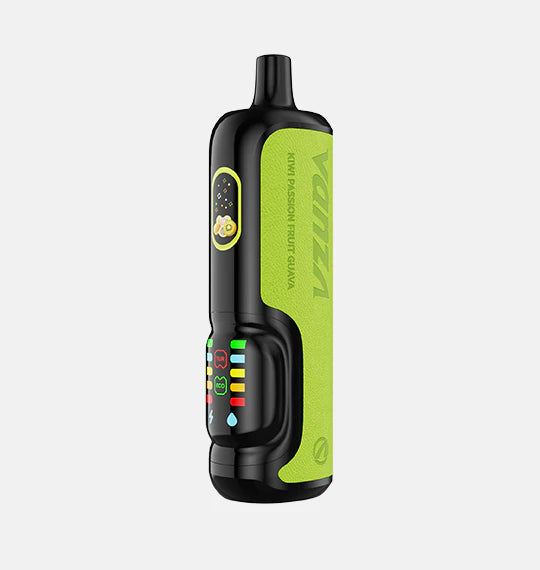
The disposable ban has created immediate demand for compliant refillable pod systems in the UK market. Products like the VANZA CUBIC—a 12,000-puff refillable pod system with a 900 mAh battery and ECO/BOOST dual mode—are particularly well-suited for this post-disposable regulatory environment.
Section 4: Canada — Federal Framework with Provincial Variation
Canada regulates vaping products under the Tobacco and Vaping Products Act (TVPA), administered by Health Canada. The framework is relatively unified at the federal level, but provinces wield significant authority over retail, flavor, and age restrictions, creating a patchwork of regional rules.
Federal TVPA Requirements
- Legal Age: 18 federally, though most provinces have raised this to 19. Prince Edward Island has set it at 21.
- Nicotine Cap: Maximum 20 mg/mL across all vaping products.
- Packaging: Child-resistant, tamper-evident packaging mandatory. Health warnings required. Terms like "light," "mild," or "organic" are prohibited.
- Advertising: Cannot advertise vaping as "harmless" or "safer than smoking." Promotion targeting youth or public-facing advertising (billboards, transit, social media) is banned.
- Online Sales: Age verification required at point of purchase. Shipping must comply with Canada Post age verification standards.
Provincial Flavor Regulations
Flavor regulations in Canada vary significantly by province, making regional market analysis essential for B2B operators:
| Province | Flavor Status | Notes |
|---|---|---|
| Alberta | ✅ Allowed | No provincial flavor restrictions |
| British Columbia | ⚠️ Restricted | Tobacco only in most retail; specialty shops may sell others |
| Ontario | ⚠️ Restricted | Tobacco, mint, menthol in most retail; specialty shops may sell others |
| Quebec | 🚫 Banned | All non-tobacco flavors banned since October 2023 |
| Nova Scotia | 🚫 Banned | All non-tobacco flavors banned since April 2020 |
| New Brunswick | 🚫 Banned | All non-tobacco flavors banned since 2021 |
| Prince Edward Island | 🚫 Banned | All non-tobacco flavors prohibited |
| Manitoba | ✅ Allowed | No additional flavor restrictions |
| Saskatchewan | ⚠️ Restricted | Tobacco, mint, menthol in most retail settings |
Wholesalers supplying Canada must work with suppliers who can provide region-specific product SKUs. VANZA's global market expertise enables us to recommend optimized product configurations for each Canadian province.
Section 5: Australia — TGA, Therapeutic Framework, and the End of Non-Prescription Vapes
Australia has one of the strictest regulatory environments for vaping in the world. The Therapeutic Goods Administration (TGA), operating under the Therapeutic Goods Act 1989, oversees all vaping products that are imported, manufactured, supplied, or possessed in Australia.
The Therapeutic Vaping Framework in 2025
Starting July 1, 2025, all therapeutic vaping goods must comply with strengthened TGA product standards:
- Maximum Nicotine Concentration: 50 mg/mL for nicotine vaping substances.
- Permitted Ingredients: Nicotine, propylene glycol, glycerol, water, and mint, menthol, or tobacco flavor only.
- Plain Packaging: Mandatory plain packaging for vaping substances and devices.
- Device Standards: Devices and accessories must meet the Medical Device Standard—Therapeutic Vaping Devices Order 2023, including requirements for battery safety, electrical safety, and risk management.
- Sponsor Notification: Sponsors (typically importers) must notify the TGA and declare compliance with applicable product standards before importing or supplying any therapeutic vape.
- Prescription Requirement: From 2024, all nicotine vaping products requiring a prescription must be sourced through pharmacy channels. General retail sales of non-prescription nicotine vaping products have been significantly restricted.
Commercial Possession Restrictions
As of July 1, 2024, it is unlawful to import, manufacture, supply, or possess for commercial purposes any vapes that do not meet TGA requirements. The maximum penalties are up to 7 years imprisonment and fines up to $21.91 million per contravention for corporations.
Implications for Wholesalers
Australia's regulatory environment effectively limits market access to products with full TGA compliance documentation. The country's pharmaceutical-style approach to vaping also means that recreational or lifestyle-oriented disposable products have essentially no legal pathway to market. For B2B operators, this reinforces the importance of sourcing from manufacturers with demonstrated regulatory sophistication.
Section 6: Compliance Product Requirements — A Global Summary
Regardless of the destination market, the following product-level compliance requirements appear consistently across major regulatory frameworks:
| Requirement | USA | EU | UK | Canada | Australia |
|---|---|---|---|---|---|
| Nicotine Cap | Variable | 20 mg/mL | 20 mg/mL | 20 mg/mL | 50 mg/mL |
| Child-Resistant Packaging | ✅ | ✅ | ✅ | ✅ | ✅ |
| Health Warnings | ✅ | ✅ | ✅ | ✅ | ✅ |
| PMTA / Notification | ✅ PMTA | ✅ EU-CEG | ✅ MHRA | ⚠️ Voluntary | ✅ TGA |
| Age Restriction | 21+ | 18+ | 18+ | 18–21+ | 18+ Rx |
| Flavor Restrictions | ✅ High burden | ✅ Varies | ⚠️ Evolving | ✅ Province-specific | ⚠️ Rx only |
Section 7: Packaging and Labeling — The Details Matter
For B2B buyers evaluating suppliers, packaging and labeling compliance is one of the most tangible indicators of a manufacturer's regulatory maturity.
Universal Labeling Requirements
Across all major markets, labels must include:
- Health Warning: Clearly legible, covering the mandated percentage of the packaging surface.
- Nicotine Strength: Accurate percentage or mg/mL concentration.
- Brand Name and Product Identity: Clear identification of the product.
- Country of Origin: Manufacturing origin must be stated.
- Batch Number: Traceable identifier for quality control and recalls.
- Ingredient List: Full disclosure of all ingredients.
- Age Restriction: Prominent notice that the product is for adult use only.
Packaging Safety Standards
- Child-Resistant Closures: Mandatory in all regulated markets. Mechanisms vary (push-down-and-turn, squeeze-and-turn) but must pass standardized testing.
- Tamper-Evident Seals: Required to demonstrate that the product has not been opened prior to consumer purchase.
- Material Safety: Packaging must be physically stable across a range of temperatures (typically -20°C to +40°C) and pass drop tests from 1.5 meters.
Market-Specific Packaging Notes
- UK: From 2025, plain packaging is mandatory. Bright colors, cartoon imagery, and candy-style branding are prohibited.
- EU: CLP hazard symbols (exclamation mark, health hazard) may be required depending on nicotine concentration.
- Australia: Plain packaging for both substance and device is mandatory under TGA standards.
Section 8: Age Verification Requirements
Age verification is one of the most heavily enforced compliance requirements in every major market, and violations carry serious consequences for retailers.
Key Age Verification Standards
- United States: T21 law requires retailers to verify age for anyone under 30 (federal standard). Many states require 21+. Digital platforms must implement robust age-gating.
- European Union: 18+ is the standard. Retailers must verify age in both physical and online sales.
- United Kingdom: Challenge 25 policy is mandatory. Retailers must check ID for anyone who appears under 25.
- Canada: Federal minimum is 18, but most provinces use 19+. PEI uses 21+.
- Australia: 18+ for pharmacy-sold therapeutic vapes. Prescription verification required.
Wholesale Responsibility
Wholesalers have an indirect but important role in age verification compliance. By supplying only properly labeled, age-restricted products with appropriate packaging, wholesalers help ensure that downstream retailers can meet their legal obligations.
Section 9: Compliance Checklist for Vape Wholesalers
For B2B professionals evaluating suppliers or entering new markets, use this checklist as a practical starting point:
- Verify Regulatory Authorization: Confirm that the supplier's products have the required market authorizations (PMTA, MHRA notification, TGA sponsor notice, etc.) for your target market.
- Review Packaging and Labeling: Request sample units and verify that all required elements—health warnings, nicotine strength, batch number, country of origin, age restriction—are present and legible.
- Confirm Child-Resistant Packaging: Ask for documentation of child-resistance testing (e.g., ISO 8317 or US CFR 1700 standards).
- Check Nicotine Concentration Limits: Verify that all product variants comply with the destination market's maximum nicotine concentration.
- Review Flavor Restrictions: Confirm that the product flavors you intend to stock are legal in your target market, especially in provinces or states with local flavor restrictions.
- Request Manufacturing Certifications: Look for ISO 9001 quality management, ISO 13485 medical device (where applicable), and GMP compliance documentation.
- Assess Documentation Infrastructure: A reliable supplier should maintain comprehensive compliance documentation packages for each market, including test reports, certificates of conformance, and regulatory correspondence.
- Evaluate Regulatory Support Capability: The best suppliers do not just ship products—they actively support their B2B partners with regulatory guidance, market intelligence, and compliance updates.
Section 10: How VANZA Supports Your Compliance Journey
At VANZA, regulatory compliance is not an afterthought—it is built into every stage of product development, from initial formulation through final packaging design.
Our B2B support framework includes:
- Full Regulatory Documentation Packages: For each target market, VANZA provides complete compliance documentation including certificates of conformance, test reports, and regulatory registration confirmations.
- Market-Specific Product Configuration: Our team works with B2B partners to select and customize product variants—nicotine strength, flavor selection, packaging configuration—that optimize market fit and regulatory compliance simultaneously.
- MHRA and TPD-Aligned Products: VANZA's pod system products, including the CUBIC series with refillable 2 mL pods and 20 mg/mL-compliant nicotine options, are designed to meet UK TRPR and EU TPD requirements out of the box.
- Australia TGA Compliance Support: Our regulatory affairs team provides the documentation packages required for TGA sponsor notifications, supporting partners entering the Australian market through legitimate therapeutic channels.
- Proactive Regulatory Monitoring: Our compliance team continuously monitors regulatory developments across all major markets, providing B2B partners with early warning of upcoming changes that may affect their product lines or market strategies.
Conclusion: Compliance Is the Foundation of a Lasting Business
The global vape market in 2026 is simultaneously one of the most dynamic and most regulated consumer product categories in the world. For B2B wholesalers, the path to long-term success runs directly through regulatory excellence—not around it.
Markets that seem challenging today will continue to evolve. The UK without disposables, the EU moving toward an end-of-life ban on single-use products, the United States maintaining its demanding PMTA framework, Canada fragmenting along provincial lines, and Australia's pharmaceutical-grade oversight are all reflections of the same underlying reality: the industry is growing up.
Wholesalers who invest in regulatory knowledge, build relationships with compliance-capable suppliers, and stay ahead of legislative developments will capture market share that less-prepared competitors will inevitably lose.
VANZA's global operations, manufacturing infrastructure, and dedicated regulatory affairs team are designed to be the compliance partner that B2B operators can rely on as the industry continues to mature.
Frequently Asked Questions (FAQ)
Q: Does VANZA hold PMTA authorization for the US market? A: VANZA maintains an active regulatory affairs program addressing US FDA requirements. Our team works directly with brand partners to support PMTA submissions. Contact our business development team for market-specific compliance documentation.
Q: Are VANZA products suitable for the post-disposable UK market? A: Yes. The VANZA CUBIC pod system—with its refillable 2 mL pod, 20 mg/mL-compliant nicotine options, and reusable design—is specifically positioned to serve the UK market following the June 2025 disposable ban.
Q: What certifications does VANZA hold? A: VANZA maintains ISO 9001 quality management certification across its manufacturing operations. Specific product certifications (CE, UKCA, TGA, etc.) vary by market and product configuration. Contact us for detailed certification documentation relevant to your target market.
Q: How does flavor regulation affect which VANZA products I can stock? A: Flavor regulations vary significantly by market. In the EU, many member states have implemented additional flavor restrictions beyond the TPD baseline. In Canada, provinces like Quebec, Nova Scotia, and New Brunswick have banned non-tobacco flavors. VANZA offers flavor portfolio guidance to help B2B partners navigate these restrictions.
Q: What is the penalty for selling non-compliant products? A: Penalties vary by jurisdiction but can include product seizure, fines ranging from thousands to tens of millions of dollars, business closure orders, and criminal prosecution. The risks are substantial, which is why sourcing from compliance-first suppliers like VANZA is essential for long-term business sustainability.