




 FDA PMTA Vape Compliance Guide
Introduction: Why FDA PMTA Compliance Matters for Vape Businesses in 2026
The United States Food and Drug Administration (FDA) premarket tobacco product application (PMTA) process remains the most significant regulatory hurdle for any company seeking to sell vaping products in the American market. With the FDA authorizing only 45 ENDS (Electronic Nicotine Delivery Systems) products as of May 2026—and just four fruit-flavored products receiving authorization for the first time in May 2025—the path to compliance demands meticulous preparation and strategic planning.
For manufacturers and wholesalers navigating this complex landscape, understanding the PMTA requirements isn't optional—it's essential for market survival. The FDA's Center for Tobacco Products (CTP) has demonstrated aggressive enforcement, seizing an estimated 4.7 million illegal vaping products with a retail value of $865 million in September 2025 alone. This enforcement reality underscores why a comprehensive understanding of FDA vape requirements can make or break your US market ambitions.
This guide draws on VANZA's nine years of experience operating across global markets, including our established presence in North America, to provide you with actionable insights for achieving PMTA compliance. Our team of over 1,500 employees across four manufacturing facilities has helped numerous partners navigate regulatory frameworks worldwide, and we're committed to sharing that expertise with businesses seeking to enter or expand within the US market.
What Is PMTA? Understanding the Foundation
The Legal Basis for Premarket Review
The FDA's authority to require premarket applications stems from Section 910 of the Federal Food, Drug, and Cosmetic Act (FD&C Act). Under this legislation, any tobacco product introduced to the US market after February 15, 2007, must receive marketing authorization from the FDA before commercial distribution. This requirement encompasses all electronic nicotine delivery systems, including pod-based systems, tank devices, and disposable vaping products.
The PMTA process exists to ensure that new tobacco products meet the public health standard established by Congress. Specifically, applicants must demonstrate that their product is "appropriate for the protection of the public health" (APPH). This standard requires the FDA to weigh the potential benefits of a product for adult smokers against the risks it may pose to youth and non-smokers.
Who Must Submit a PMTA?
Any company manufacturing, marketing, or selling vaping products in the US must obtain PMTA authorization—or face significant legal and financial consequences. This requirement applies equally to domestic manufacturers and international companies seeking market access. The FDA's jurisdiction extends to products entering the country through import, meaning overseas manufacturers must navigate the PMTA process to access American consumers.
Importantly, each unique product configuration—meaning each flavor, nicotine concentration, and device specification—requires separate authorization. A company cannot obtain a single PMTA covering multiple product variations. This creates substantial complexity for manufacturers with extensive product lines, requiring substantial investment in regulatory compliance.
 Figure 1: FDA PMTA Application Process - 11 Required Chapters Overview
The PMTA Application: 11 Required Chapters Explained
Chapter Structure Overview
According to 21 CFR Part 1114.7, all PMTA submissions must contain eleven specific sections. Understanding these requirements is fundamental to preparing a complete and approvable application. Below, we break down each chapter and its essential components.
Chapter 1: General Information
This section establishes your company's identity and product identification. Applicants must complete Form FDA 4057, the primary PMTA application form, and Form FDA 4057b, which provides unique product identification information. Since January 2, 2026, these forms must be submitted through the CTP Portal NextGen, FDA's online submission platform. This digital transition streamlines the process but requires early registration and familiarization with the system's requirements.
Chapter 2: Descriptive Information
Here, applicants provide detailed product descriptions, including physical specifications, design characteristics, and operational parameters. The FDA expects comprehensive technical documentation covering device components, materials, and manufacturing specifications.
Chapter 3: Product Samples
Applicants must submit physical product samples conforming to FDA requirements. These samples enable the FDA to verify product specifications and conduct independent testing as part of the review process.
Chapter 4: Labeling and Marketing Plans
This critical section addresses packaging design, health warnings, and overall marketing strategy. The FDA scrutinizes labeling to ensure it does not appeal to youth or make unauthorized modified risk claims. Marketing plans must demonstrate how the company will reach adult consumers while minimizing youth exposure.
Chapter 5: Environmental Assessment Compliance Statement
Applicants must provide compliance statements addressing 21 CFR Part 25 requirements, demonstrating that the product's environmental impact has been evaluated according to federal standards.
Chapter 6: Summary
This section condenses the application into a comprehensive overview, enabling FDA reviewers to quickly understand the product and key findings before examining detailed documentation.
Chapter 7: Product Formulation
Chapter 7 requires complete ingredient listings, including nicotine content, additives, and all other components. This information forms the foundation for the FDA's toxicological assessment and HPHC testing requirements.
Chapter 8: Manufacturing Information
Applicants must document production processes, facility specifications, and quality control measures. The FDA expects evidence of consistent manufacturing practices that produce uniform products meeting stated specifications.
Chapter 9: Health Risk Investigations
This chapter represents one of the most demanding aspects of the PMTA process. Applicants must submit toxicological studies and HPHC (Harmful and Potentially Harmful Constituents) testing results demonstrating the product's chemical profile. As of April 2026, the HPHC testing list has expanded from 93 to 111 constituents, significantly increasing testing requirements.
Chapter 10: Population Health Impact Assessment
The APPH standard requires applicants to analyze their product's impact on population health. This assessment must consider benefits to adult smokers seeking alternatives and risks to youth and non-smokers. The FDA expects rigorous, data-driven analysis supported by scientific evidence.
Chapter 11: Certification Statement
Finally, applicants must provide legally binding certification statements signed by authorized representatives, confirming the accuracy and completeness of the application.
HPHCs Testing: The 2026 Expansion and Its Impact
Understanding HPHC Requirements
 Figure 2: HPHC Testing Requirements - Expanded from 93 to 111 Constituents
Harmful and Potentially Harmful Constituents testing represents a cornerstone of PMTA compliance. The FDA requires manufacturers to analyze their products for the presence and levels of identified harmful chemicals, enabling regulatory assessment of product risks.
On April 22, 2026, the FDA announced a significant expansion of the HPHC testing list, increasing the total from 93 to 111 constituents. For electronic nicotine delivery systems specifically, testing requirements expanded from 38 to 56 analytes. This expansion directly impacts vape product manufacturers, requiring additional testing protocols and associated costs.
The 18 New Constituents Added
The expanded list includes compounds specifically relevant to vaping products:
Flavor Solvents:
- Acetic acid
- Ethyl acetate
- Isoamyl acetate
- Isobutyl acetate
- Methyl acetate
Common E-liquid Base Ingredients:
- Glycerol (vegetable glycerin)
- Propylene glycol
Respiratory Toxicants:
- Acetoin
- Acetylpropionyl
- Butyraldehyde
- Diacetyl
- Furfural
- N-butanol
- Propionic acid
Additional Compounds:
- Benzyl acetate
- Diethylene glycol
- Ethylene glycol
- Glycidol
This expansion reflects the FDA's growing understanding of vape product chemistry and its commitment to comprehensive safety assessment. Manufacturers must now test for a substantially broader range of compounds, increasing both laboratory costs and sample preparation requirements.
Implications for Product Development
The HPHC expansion has profound implications for product development timelines and budgets. Testing protocols that previously required three to six months may now extend considerably longer. Companies must factor these expanded requirements into their regulatory timelines, with total preparation periods potentially extending to 18-36 months from project initiation to FDA decision.
The PMTA Review Timeline: What to Expect
 Figure 4: FDA PMTA Review Process - Three Stage Timeline
Three-Stage Review Process
The FDA's PMTA review proceeds through three distinct stages:
Stage 1: Acceptance Review
Upon submission, the FDA conducts an initial acceptance review to verify the application contains all required elements and conforms to formatting specifications. Incomplete applications are returned to applicants, delaying the process.
Stage 2: Filing Review
After acceptance, applications proceed to filing review, where the FDA assesses whether the submission contains sufficient substantive information to proceed with scientific evaluation. This stage may result in requests for additional information, further extending timelines.
Stage 3: Substantive Review
The substantive review represents the core scientific evaluation, assessing whether the product meets the APPH standard. While the FDA's statutory target is 180 days from receipt of a complete application, actual review periods frequently extend to 12-18 months or longer for complex submissions.
Understanding the 180-Day Clock
The FDA's 180-day review period applies specifically to the substantive review stage and begins only after the agency accepts the application as complete. Importantly, major amendments to applications reset the review clock, while minor amendments pause but do not reset the timeline. This distinction creates strategic considerations for how applicants respond to FDA inquiries.
Companies should plan for extended timelines, recognizing that the actual time from submission to decision often significantly exceeds the statutory target. Building adequate buffer time into market entry strategies is essential for avoiding costly miscalculations.
Youth Protection: The New Framework for 2026
 Figure 5: Youth Protection Framework - Device Access Restriction Technology
FDA's Risk Stratification Approach
On March 9, 2026, the FDA published significant guidance on youth risk considerations for flavored ENDS products. This framework establishes a tiered approach to assessing youth appeal, with different evidence requirements based on flavor categories.
Highest-Risk Flavors: Fruits, Candies, and Sweet Flavors
Products featuring fruit, candy, or sweet flavors face the highest scrutiny under the new framework. These products must demonstrate substantial evidence that benefits to adult smokers outweigh risks to youth. The FDA expects comprehensive data on youth appeal, including marketing research, sensory characteristics, and behavioral studies.
Lower-Risk Flavors: Traditional Flavors
Products featuring traditional tobacco, mint, menthol, or wintergreen flavors face somewhat reduced evidentiary requirements. However, these products still require evidence demonstrating appropriate marketing practices and youth protection measures.
Device Access Restriction (DAR) Technology
The May 2025 authorization of Glas products marked a breakthrough in youth protection approaches, demonstrating how Device Access Restriction technology can enable authorization of flavored products. The authorized products incorporate several innovative features:
- Government-issued ID verification requiring age verification at purchase and device activation
- Bluetooth pairing with smartphones creating a connected ecosystem
- Device-lock functionality preventing use when separated from the paired phone
- Random biometric verification ensuring the authorized user remains the actual consumer
This technology represents a potential pathway for manufacturers seeking to introduce flavored products, though implementation requires substantial investment in hardware development and software infrastructure.
Marketing Restrictions
Beyond product design, the FDA imposes strict requirements on marketing practices. All advertising must be directed exclusively toward adults 21 and older. Companies must track, measure, and report to the FDA on the effectiveness of their youth protection measures, including demographic analysis of advertising reach.
Current Authorization Status and Market Access
FDA's Authorization Landscape (May 2026)
As of May 2026, the FDA has authorized 45 ENDS products through the PMTA pathway. This number represents a tiny fraction of the millions of products currently in development or available in international markets, highlighting the significant regulatory barriers facing vape manufacturers.
The May 2025 authorization of Glas products—featuring Classic Menthol, Fresh Menthol, Gold Mango, and Sapphire Blueberry—marked a watershed moment in FDA regulation. For the first time, the agency authorized non-tobacco, non-menthol flavored products, suggesting a potential opening of the market for flavored ENDS.
Policy Uncertainty and Political Dynamics
The authorization landscape remains shaped by ongoing policy debates. In April 2025, FDA CTP Director Brian King was removed from his position, with Bret Koplow appointed as Acting Director. This leadership transition occurred amid ongoing discussions about the appropriate scope of ENDS regulation.
Notably, FDA Commissioner Marty Makary initially blocked the Glas authorization, but the products ultimately received authorization on May 5, 2025. On May 10, 2026, the Trump administration signaled support for enabling more compliant products while intensifying enforcement against unauthorized sellers.
These political dynamics create uncertainty for manufacturers, requiring careful monitoring of regulatory developments and strategic flexibility in market planning.
Enforcement Reality
Companies choosing to market unauthorized products face serious consequences. Federal enforcement operations have seized millions of products, and the FDA has signaled continued intensification of compliance efforts. Retailers stocking unauthorized products risk civil penalties, product seizure, sales injunctions, and potentially criminal liability in severe cases.
Compliance Checklist for Wholesalers and Distributors
 Figure 3: FDA Compliance Checklist - Verification Steps for ENDS Products
Verifying Supplier Authorization
Wholesalers and distributors bear responsibility for ensuring their supply chain complies with FDA requirements. The following verification steps are essential:
-
Request FDA Marketing Authorization Letters: Require suppliers to provide copies of their FDA Marketing Granted Orders, documenting specific authorization for each product.
-
Verify Authorization on FDA Website: Cross-reference supplier claims against the official FDA list of authorized ENDS products at www.fda.gov/authorizedecigs. This database provides the authoritative record of authorized products.
-
Confirm Specific Product Authorization: Authorization extends only to specific product configurations. Verify that the exact SKU—including flavor, nicotine concentration, and device specifications—appears in the authorization documentation.
-
Review Authorization Conditions: Some authorizations include specific conditions or limitations. Ensure your products and marketing practices comply with all applicable requirements.
Product Compliance Requirements
| Requirement | Description |
|---|---|
| PMTA Authorization | Each unique product configuration requires separate authorization |
| Age Restrictions | All sales limited to purchasers 21 and older (T21 federal law) |
| Child-Resistant Packaging | Mandatory for all ENDS products |
| Health Warnings | Required labeling on all packaging |
| Marketing Compliance | No youth-targeted advertising or promotional practices |
Consequences of Non-Compliance
The risks of distributing unauthorized products extend across multiple dimensions:
- Seizure: Products may be confiscated at ports of entry or throughout the supply chain
- Civil Penalties: Substantial monetary fines for regulatory violations
- Injunctions: Court orders preventing continued sales
- Criminal Liability: Possible prosecution in egregious cases
These consequences make supplier verification not merely advisable but essential for business survival.
VANZA's Approach to Global Regulatory Compliance
Our Commitment to Compliance Excellence
At VANZA, regulatory compliance represents a core operational principle rather than an afterthought. Our nine years in the vaping industry have taught us that sustainable market success requires proactive engagement with regulatory frameworks across all jurisdictions.
With over 1,500 employees and four manufacturing facilities, we have developed robust regulatory affairs capabilities, including dedicated teams experienced with the CTP Portal NextGen submission system. Our direct experience navigating complex compliance requirements positions us as an ideal partner for businesses seeking US market access.
CUBIC Series: Designed for Regulatory Success
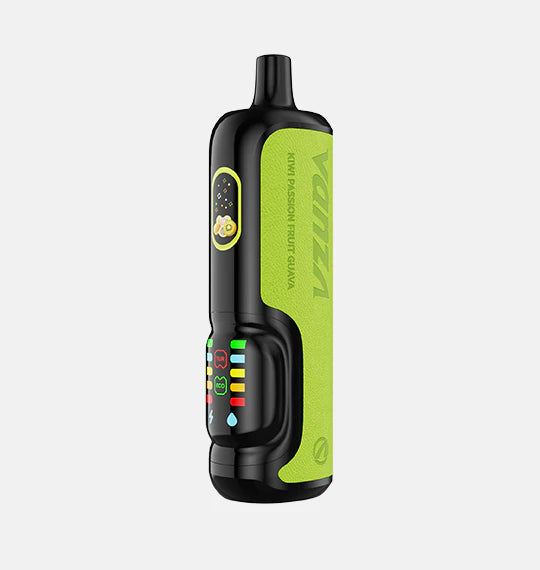
Our CUBIC refillable pod system exemplifies our approach to regulatory-conscious product development. With 12,000 puffs, 12ml e-liquid capacity, and a 900mAh rechargeable battery, the CUBIC represents the type of product architecture that aligns well with US market preferences and regulatory expectations.
The system's refillable design supports compliance with potential future regulations favoring reduced waste, while its comprehensive flavor portfolio—featuring over 20 options including fruit, beverage, and traditional profiles—enables market adaptation as regulatory frameworks evolve.
Partnership for Market Success
We understand that navigating FDA requirements represents a significant challenge. Our team is prepared to work directly with partners seeking US market entry, providing guidance on PMTA preparation, compliance documentation, and regulatory strategy.
For businesses interested in exploring partnership opportunities or learning more about our compliance capabilities, we welcome direct communication at business@vanzatech.com.
Conclusion: Navigating PMTA Requirements for Long-Term Success
The FDA PMTA process presents substantial challenges, but it also creates meaningful opportunities for companies willing to invest in compliance. With only 45 authorized products as of May 2026, the US market remains largely uncaptured by legally compliant manufacturers—a gap that patient, well-prepared companies can address.
Success in this environment requires understanding the full scope of PMTA requirements, from the eleven required application chapters to the expanded HPHC testing protocols and youth protection frameworks. Companies must plan realistically for timelines extending 18-36 months and budgets potentially exceeding $1 million per product configuration.
Yet for those who persist, the rewards include not only market access but also competitive advantages derived from demonstrated commitment to public health and regulatory excellence. The companies that treat compliance as a strategic asset rather than a burden will ultimately prevail in America's regulated vaping marketplace.
Frequently Asked Questions (FAQs)
1. What is the FDA PMTA and who needs to submit one?
The FDA Premarket Tobacco Product Application (PMTA) is a mandatory submission required under Section 910 of the Federal Food, Drug, and Cosmetic Act. Any company seeking to sell vaping products (ENDS products) in the United States must obtain PMTA authorization before marketing their products. This requirement applies to all tobacco products introduced to the market after February 15, 2007, and covers each unique product configuration including specific flavors, nicotine concentrations, and device specifications.
2. How long does the FDA PMTA review process take?
While the FDA's statutory target is 180 days from receipt of a complete application, actual review periods frequently extend to 12-18 months or longer. Combined with preparation time for testing, documentation, and application assembly, companies should plan for total timelines of 18-36 months from project initiation to potential authorization. Major amendments to pending applications can reset the review clock, making strategic management of FDA communications essential.
3. What are HPHCs and why do they matter for PMTA?
HPHCs (Harmful and Potentially Harmful Constituents) are chemicals identified by the FDA as potentially dangerous in tobacco products. As of April 2026, the HPHC testing list has expanded to 111 total constituents, with 56 specific analytes required for ENDS products. Manufacturers must conduct comprehensive testing demonstrating the presence and levels of these chemicals in their products, forming a critical component of the health risk assessment required for PMTA authorization.
4. Can flavored vaping products receive FDA authorization?
Yes, flavored products can and have received FDA authorization. The May 2025 authorization of Glas products—including mango and blueberry flavors—represented a breakthrough, as these were the first non-tobacco, non-menthol flavored products authorized. However, flavored products face heightened scrutiny under the 2026 youth protection framework, with higher evidentiary requirements demonstrating that benefits to adult smokers outweigh risks to youth. Device Access Restriction (DAR) technology may provide a pathway for flavored product authorization.
5. How can wholesalers verify that products are FDA authorized?
Wholesalers should request FDA Marketing Authorization Letters from suppliers and verify products against the official FDA list at www.fda.gov/authorizedecigs. Authorization must cover the exact product configuration being purchased, including specific SKU, flavor, and nicotine concentration. Retailers and distributors bear responsibility for supply chain compliance, and stocking unauthorized products can result in seizure, civil penalties, and potential legal liability.
6. What happened to Brian King and how does leadership change affect vape regulation?
FDA CTP Director Brian King was removed from his position in April 2025, with Bret Koplow appointed as Acting Director. This leadership transition occurred amid ongoing policy debates regarding flavored ENDS products and regulatory approach. The political dynamics around ENDS regulation remain fluid, with the Trump administration expressing support for expanded authorized product availability while maintaining enforcement against unauthorized sellers. Companies should monitor regulatory developments closely and maintain flexibility in market strategies.
7. How can VANZA help with US market entry?
VANZA offers comprehensive support for businesses seeking US market access, drawing on nine years of regulatory compliance experience across global markets. Our team includes dedicated regulatory affairs professionals experienced with CTP Portal NextGen submissions and PMTA preparation requirements. With over 1,500 employees and four manufacturing facilities, we have the scale and expertise to support partners through the authorization process. For partnership inquiries, contact business@vanzatech.com.
For regulatory guidance and partnership opportunities, contact VANZA at business@vanzatech.com. With nine years of industry experience and global compliance capabilities, we're committed to helping responsible businesses navigate the path to US market success.
Target Keywords: FDA PMTA vape requirements, vape PMTA application, PMTA authorization process, FDA ENDS compliance, vape FDA approval, HPHC testing, youth protection vaping, US vape market compliance