




The global vape industry has grown into a multi-billion dollar market, but this growth comes with significant challenges that many wholesale distributors and retailers underestimate: the critical importance of proper cold chain storage and temperature control throughout the supply chain. Whether you are a seasoned distributor managing thousands of inventory units or a retailer stocking your shelves, understanding vape cold chain storage requirements is essential for maintaining product quality, ensuring customer satisfaction, and protecting your business reputation.
Improper storage conditions can lead to degraded e-liquids, compromised nicotine strength, altered flavor profiles, and even safety hazards with batteries and devices. Research indicates that e-liquid products stored at temperatures exceeding 35°C can experience nicotine degradation rates up to 8 times higher than those maintained at optimal conditions. For businesses handling large volumes, this translates directly into financial losses and potential regulatory compliance issues.
With 9 years of experience operating 4 factories in Shenzhen and serving customers across 50+ countries, VANZA has accumulated extensive expertise in managing temperature-sensitive vape products. This comprehensive guide will walk you through the science of vape temperature sensitivity, optimal storage conditions, wholesale warehouse requirements, cold chain logistics best practices, and regulatory compliance standards. By implementing the strategies outlined in this article, you can significantly reduce product waste, enhance supply chain efficiency, and position your business as a quality-conscious partner in the competitive vape wholesale market.
Why Vape Cold Chain Storage Matters for Your Business
The Financial Stakes of Improper Temperature Control
When it comes to vape wholesale storage requirements, the financial implications of poor temperature management cannot be overstated. The vape product market handles millions of units monthly, with each unit representing significant investment from manufacturing through distribution to final sale. Temperature excursions during storage or transit can permanently damage products, resulting in direct financial losses that compound throughout the supply chain.
Industry data suggests that temperature-related product failures account for approximately 15-20% of all quality complaints in the vape distribution sector. For a wholesale distributor moving 100,000 units monthly, this could mean thousands of units compromised due to inadequate cold chain management. Beyond the direct product losses, businesses must also absorb the costs of returns processing, customer service overhead, and potential damage to brand reputation that extends far beyond individual transaction values.
The stakes become even higher when considering regulatory requirements. Many jurisdictions now mandate temperature documentation for vape product storage, particularly for products containing nicotine salts that demonstrate specific temperature sensitivity characteristics. Failure to maintain proper records can result in compliance violations, fines, and in severe cases, product seizure or license revocation.
What Happens When Temperature Goes Wrong
Understanding the consequences of improper e-liquid temperature control helps illustrate why cold chain management deserves serious attention. When e-liquids are exposed to elevated temperatures, several chemical processes begin that progressively degrade product quality.
Nicotine, the primary active ingredient in most vape products, is particularly susceptible to thermal degradation. Under high-temperature conditions, nicotine molecules undergo oxidation and conversion to cotinine and other byproducts that significantly reduce potency. Research demonstrates that at 45°C storage conditions, nicotine stability drops to approximately 67.2%, compared to 98.3% stability at optimal 25°C conditions. This means products stored improperly can lose nearly one-third of their intended nicotine content before reaching consumers.
Flavor compounds in e-liquids are equally vulnerable. Complex terpene profiles and artificial flavoring agents break down rapidly under thermal stress, leading to muted, altered, or completely unrecognizable taste experiences. For premium products where flavor quality represents a significant portion of product value, such degradation effectively renders inventory unsellable.
Physical changes also occur that affect usability. High temperatures can cause VG-rich e-liquids to thin excessively, disrupting the balance of propylene glycol (PG) and vegetable glycerin (VG) that determines vapor production and throat hit characteristics. Conversely, freezing temperatures cause viscosity increases that clog delivery systems and prevent proper wicking.
The Science Behind Vape Product Temperature Sensitivity
Understanding E-Liquid Composition
To properly implement vape cold chain storage protocols, you must first understand what makes e-liquids so temperature-sensitive. Standard e-liquid formulations consist of four primary components: propylene glycol (PG), vegetable glycerin (VG), nicotine, and flavoring compounds. Each of these ingredients has specific physical and chemical properties that respond differently to temperature fluctuations.
Propylene glycol serves multiple functions in e-liquid formulations. It acts as a flavor carrier that enhances throat hit perception and contributes to the overall vaping experience. PG also possesses hygroscopic properties, meaning it absorbs moisture from the air, which makes humidity control in storage environments critically important. The molecular structure of PG provides excellent temperature stability across a wide range, with a freezing point of approximately -59°C, making it the most cold-resistant component in typical e-liquid formulations.
Vegetable glycerin, derived from plant oils, provides the foundation for vapor production. VG's higher viscosity creates denser vapor clouds but also makes formulations more susceptible to temperature-related viscosity changes. The freezing point of VG is approximately -38°C, significantly higher than PG, which means VG-heavy e-liquids may experience physical changes before PG-dominant formulations when exposed to cold conditions.
The balance between PG and VG ratios significantly impacts how an e-liquid responds to temperature variations. Standard freebase nicotine formulations typically use 50/50 PG/VG ratios, while salt nicotine products often feature higher VG concentrations for smoother throat hits. These compositional differences mean that storage requirements may vary between product types, requiring nuanced cold chain protocols for diverse inventory.
Freezing Points and Critical Temperature Thresholds
| E-Liquid Component | Freezing Point | Boiling Point | Temperature Sensitivity |
|---|---|---|---|
| Propylene Glycol (PG) | -59°C (-74°F) | 188°C (370°F) | Low freeze risk |
| Vegetable Glycerin (VG) | -38°C (-36°F) | 290°C (554°F) | Moderate freeze risk |
| Nicotine (Freebase) | -79°C (-110°F) | 247°C (477°F) | Thermal degradation |
| Nicotine Salts | Varies by acid | 80-180°C decomposition | High sensitivity |
| Flavor Compounds | -20 to 20°C (varies) | 150-250°C | Rapid degradation |
This temperature sensitivity table demonstrates why maintaining consistent e-liquid temperature control within narrow ranges proves so challenging yet essential for product quality preservation.
Nicotine Degradation: The Scientific Evidence
The relationship between temperature and nicotine degradation temperature represents one of the most critical considerations for anyone managing vape product inventory. Scientific research and industry testing have established clear correlations between storage temperatures and the rate at which nicotine molecules break down into less effective compounds.
At optimal storage temperatures of 25°C (±1°C), standard e-liquids maintain approximately 98.3% nicotine stability over extended periods. Monthly degradation rates under these conditions average around 2.1%, meaning products retain nearly full potency for 12+ months of proper storage. This level of stability allows wholesale distributors and retailers significant flexibility in managing inventory turnover without concerns about significant potency loss.
When storage temperatures increase to 35°C, degradation accelerates dramatically. Under these conditions, nicotine stability drops to approximately 91.7% over time, with monthly degradation rates climbing to 8.9%. This nearly fourfold increase in degradation rate means products stored at elevated temperatures for just three months could lose 25% or more of their intended nicotine content.
At extreme temperatures of 45°C, the situation becomes critical for product viability. Monthly degradation rates surge to 31.4%, meaning products can lose nearly one-third of their nicotine content within a single month. After three months at this temperature, remaining nicotine levels would be approximately 67.2% of original potency—well below acceptable quality thresholds for commercial sale.
The rule of thumb emerging from this data is that for every 10°C increase in storage temperature above the optimal range, degradation rates approximately quadruple. This exponential relationship underscores why even brief temperature excursions during shipping or handling can significantly impact final product quality.
Optimal Temperature Ranges for Vape Storage
The Gold Standard: 15-25°C (59-77°F)
Industry consensus and manufacturer recommendations converge on an optimal e-liquid storage temperature range of 15-25°C (59-77°F) for maintaining product quality and extending shelf life. This range balances the chemical stability requirements of nicotine and flavor compounds with practical considerations for warehouse and retail environments.
Within this optimal range, the sweet spot for long-term storage sits between 20-25°C, where VANZA's 4-factory quality control protocols maintain consistent 25°C (±1°C) conditions. At these temperatures, all major e-liquid components remain chemically stable, viscosity stays within optimal ranges for device compatibility, and degradation rates remain acceptably low for extended inventory holding periods.
The lower boundary of 15°C exists primarily for device compatibility rather than e-liquid chemistry. Below this temperature, certain device components may experience condensation issues when moved to warmer environments, and some flavor compounds may crystallize temporarily. However, these effects are typically reversible upon gentle warming and do not permanently damage product quality.
Humidity control works synergistically with temperature management in storage environments. Ideal relative humidity for vape product storage falls between 40-60% RH. Lower humidity helps prevent moisture absorption by hygroscopic PG components, while moderate humidity avoids condensation issues when products transition between temperature zones during distribution.
Temperature Requirements by Product Type
Different vape product categories present unique challenges for vape wholesale storage operations. Understanding these variations allows distributors to develop differentiated handling protocols that optimize conditions for specific inventory categories.
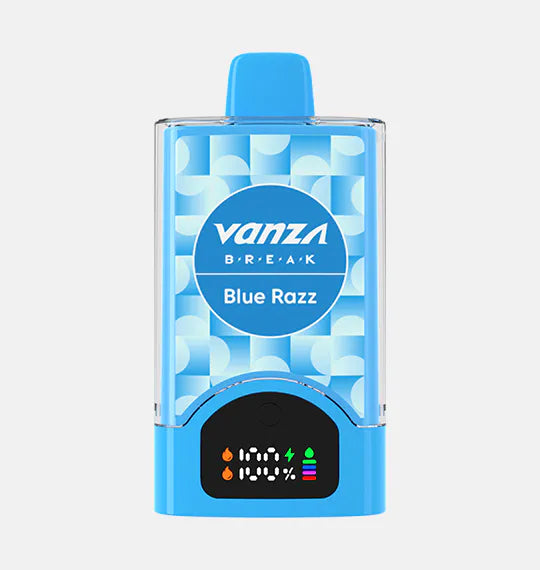
Disposable Vape Products: Pre-filled disposable devices require the most stringent temperature control because consumers cannot adjust or troubleshoot storage issues. These products combine temperature-sensitive e-liquids with lithium-polymer batteries that present safety risks when exposed to extreme temperatures. Optimal storage: 15-25°C, avoiding direct sunlight and heat sources.
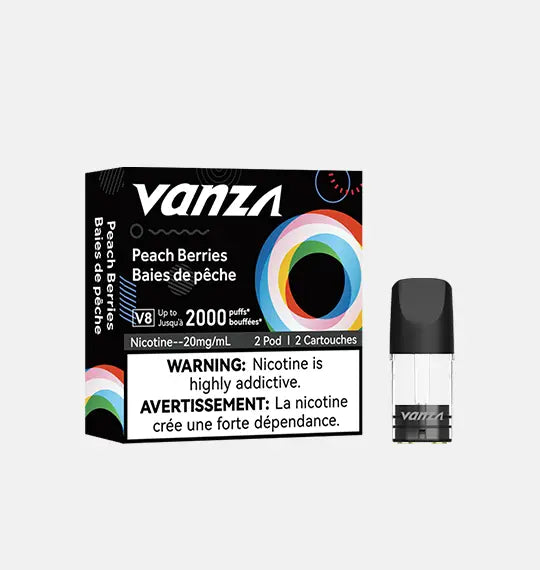
Refillable Pod Systems: Pod-based products offer slightly more flexibility because users can replace pods that may experience minor degradation. However, sealed pods still require consistent temperature control to prevent leakage and maintain flavor integrity. Optimal storage: 15-25°C for sealed pods, with brief exposure to 30°C acceptable for transit.
Box Mod and Tank Systems: Traditional open-system devices separate the temperature-sensitive e-liquid from electronic components, allowing more flexible storage conditions for hardware while requiring dedicated attention to e-liquid inventory. Optimal storage: 15-25°C for e-liquids, 5-35°C acceptable for devices.
Nicotine Salt Formulations: Salt nicotine products demonstrate heightened temperature sensitivity compared to freebase nicotine alternatives. The chemical bonding that creates smoother throat hits also creates vulnerability to thermal breakdown. Optimal storage: 15-22°C, with minimal temperature variation preferred.
Seasonal Storage Adjustments
Managing vape logistics cold storage throughout the year requires adapting protocols to address seasonal temperature variations that affect warehouses, transportation vehicles, and retail environments differently.
Summer months present the most significant challenges for cold chain management. Ambient temperatures in unconditioned warehouses can exceed 30°C even in temperate climates, while transportation vehicles parked in direct sunlight may reach 50°C or higher. During summer, increased monitoring frequency, enhanced ventilation, and proactive cooling interventions become essential components of storage protocols.
Winter conditions create opposite but equally important challenges. While cold temperatures generally cause less permanent damage than heat exposure, freezing conditions can render products unusable. E-liquid components may separate or crystallize, and lithium batteries lose capacity and may suffer permanent damage when discharged at freezing temperatures. Cold weather protocols should include freeze protection measures and gradual temperature acclimation before opening shipments.
Wholesale and Warehouse Storage Requirements
Temperature-Controlled Warehouse Standards
Implementing professional vape wholesale storage requirements begins with establishing proper warehouse infrastructure capable of maintaining consistent environmental conditions. The difference between adequate and excellent storage facilities directly impacts product quality, operational efficiency, and ultimately, profitability.
Climate-controlled warehouse spaces must maintain temperatures between 15-25°C continuously throughout the year. This requires HVAC systems appropriately sized for warehouse volume, with redundant monitoring systems to detect equipment failures before products are compromised. VANZA's established quality standards maintain 25°C (±1°C) across all 4 factory facilities, demonstrating that such precision is achievable and sustainable for serious wholesale operations.
Temperature mapping studies should be conducted in any facility handling temperature-sensitive inventory. These studies identify hot spots near exterior walls, loading docks, and HVAC equipment that may experience temperature variations outside acceptable ranges. Armed with this data, operators can strategically position inventory to avoid problem areas and implement targeted solutions where environmental control proves challenging.
Continuous temperature logging creates essential documentation for quality assurance and regulatory compliance. Modern data loggers record temperature readings at regular intervals, storing data that can be retrieved and analyzed to demonstrate proper storage conditions throughout a product's time in warehouse custody. This documentation proves invaluable when addressing customer complaints, processing insurance claims, or responding to regulatory inquiries.
Humidity Control and Environmental Management
Beyond temperature, humidity control represents the second critical environmental factor in e-liquid temperature control and product quality maintenance. E-liquids contain hygroscopic ingredients that actively interact with ambient moisture, making humidity management as important as thermal control.
Optimal relative humidity for vape product storage falls between 40-60% RH. Below 40% humidity, products may dry out, leading to altered viscosity and reduced vapor production. Above 60% humidity, moisture absorption causes PG-based products to thin and may promote microbial growth in extreme cases. Consistent humidity also prevents condensation issues when products transition between controlled storage and uncontrolled environments during distribution.
Ventilation systems play a supporting role in humidity management while providing additional benefits for product quality. Adequate air circulation prevents localized humidity buildup in storage areas, helps maintain consistent temperature distribution, and removes volatile compounds that may affect flavor integrity over extended storage periods. Air quality guidelines recommend HEPA filtration to remove particulate contamination and maintain clean storage environments.
Warehouse layout considerations significantly impact environmental management effectiveness. Adequate spacing between inventory pallets ensures proper air circulation throughout storage areas. VANZA's warehouse protocols maintain minimum 1-meter aisles and recommend 10cm clearance between stored products and exterior walls to facilitate airflow and temperature regulation.
Inventory Management and Stock Rotation
Effective inventory practices complement physical storage infrastructure in maintaining product quality throughout the supply chain. FIFO (First In, First Out) rotation principles ensure that older inventory reaches customers before newer stock, minimizing the time products spend in storage where temperature risks accumulate.
For products with extended shelf life potential, date labeling systems help track product age and identify inventory approaching quality thresholds. Most e-liquid manufacturers recommend consuming products within 12-24 months of production date, though properly stored products may remain acceptable longer. Clear date visibility enables warehouse operators to prioritize fulfillment of older stock and avoid inadvertently shipping degraded products.
Batch tracking systems provide additional quality assurance by linking specific inventory units to production records. When storage concerns arise, batch data enables rapid identification of affected products and supports targeted recall procedures if necessary. Modern inventory management systems can integrate batch tracking automatically, reducing manual record-keeping burden while enhancing traceability.
Cold Chain Logistics for Vape Distribution
Temperature-Controlled Shipping Methods
Transporting temperature-sensitive vape products requires specialized logistics solutions that maintain environmental conditions throughout the journey from distribution center to retail locations. Understanding available shipping options helps wholesale distributors balance cost considerations against quality protection requirements.
Standard freight shipping provides the most economical option but offers no temperature protection beyond basic packaging. This approach is acceptable only for short-distance shipments during mild weather conditions where temperature excursions remain unlikely. For wholesale operations moving significant volumes, standard shipping represents an unacceptable risk for most product categories.
Temperature-controlled freight shipping maintains products within specified ranges throughout transit using insulated containers and active cooling or heating systems. For vape logistics cold storage applications, refrigerated trucks set to 15-25°C provide appropriate conditions. Temperature-controlled freight costs approximately $0.40-0.80 per kilogram compared to $0.15-0.25 for standard shipping, representing a significant but often worthwhile investment for protecting valuable inventory.
Insulated shipping containers offer a middle ground between standard and full temperature-controlled shipping. These containers use high-performance insulation to slow temperature change during transit, providing meaningful protection for shipments encountering brief environmental exposures. For products requiring moderate protection over moderate distances, insulated containers may provide adequate quality assurance at lower cost than active temperature control.
Summer and Winter Shipping Strategies
Implementing vape shipping summer winter temperature protocols addresses the distinct challenges presented by extreme seasonal conditions. Proactive planning prevents temperature-related product damage that otherwise disrupts operations and damages customer relationships.
Summer shipping requires aggressive heat protection measures that account for extreme temperatures in warehouses, transportation vehicles, and outdoor handling areas. Phase-change materials (PCMs) embedded in packaging absorb excess heat and maintain stable internal temperatures. PCM packaging solutions cost approximately $2-5 per unit but can maintain product temperatures within acceptable ranges for 48-72 hours of exposure to extreme external conditions.
Thermal blankets and reflective packaging provide additional protection during summer shipping. These materials reflect solar radiation and reduce heat absorption during transport stops or loading procedures. Combined with early-morning or evening shipping schedules that avoid peak daytime temperatures, thermal protection measures significantly reduce heat-related damage risks.
Winter shipping protocols must address opposite concerns while remaining vigilant against freeze damage. Insulated packaging helps maintain product temperatures above freezing during exposure to cold environments. Heat packs may be necessary for extremely cold destinations, though these must be positioned carefully to avoid direct product contact that could cause localized overheating.
For cross-climate shipments where products transition between temperature zones, gradual acclimation protocols prevent condensation-related damage. Allowing products to reach equilibrium with destination temperatures before opening packages prevents moisture condensation on product surfaces that could affect packaging integrity and product quality.
Packaging Solutions for Temperature Protection
Modern e-liquid temperature control in logistics relies heavily on packaging innovations that extend the protection window for temperature-sensitive products. Understanding available options helps logistics managers select appropriate solutions for specific shipping scenarios.
Phase-change materials represent the most effective passive temperature control technology available for vape product shipping. These materials absorb or release thermal energy during phase transitions, maintaining package interior temperatures within narrow ranges despite external temperature variations. PCM products are available in various transition temperatures, allowing selection of formulations optimized for the 15-25°C target range.
Insulated shipping boxes combine high-performance insulation with structural protection for product integrity during handling. Multi-layer designs featuring expanded polystyrene or vacuum-insulated panels significantly reduce heat transfer rates compared to standard cardboard packaging. For wholesale shipments containing multiple units, pallet-level insulation solutions protect entire shipment quantities without requiring individual unit packaging.
Data loggers included in shipments provide temperature history documentation throughout transit. Modern logger options range from single-use indicators that display whether temperature limits were exceeded to multi-use digital loggers that record complete temperature profiles for detailed analysis upon delivery. Temperature data supports quality assurance documentation and helps identify logistics problems requiring operational adjustments.
Regulatory Compliance for Vape Cold Chain
Global Regulatory Framework Overview
The vape industry operates within a complex regulatory environment that increasingly addresses cold chain storage requirements as regulators recognize the relationship between storage conditions and product safety. Wholesale distributors must navigate varying requirements across different jurisdictions while maintaining consistent quality standards that exceed minimum compliance thresholds.
The European Union Tobacco Products Directive (TPD) establishes comprehensive requirements for vape product storage and distribution. Article 20 of the TPD requires that manufacturers implement quality assurance systems including storage condition controls. While specific temperature requirements are not mandated, the directive requires documentation demonstrating that products maintained quality throughout distribution channels.
The US Food and Drug Administration (FDA) Center for Tobacco Products exercises regulatory authority over vaping products through the Deeming Rule. Current Good Manufacturing Practice (cGMP) requirements under 21 CFR Part 110 apply to tobacco product manufacturing and storage, requiring appropriate temperature and humidity controls in facilities handling these products.
Australia's Therapeutic Goods Administration (TGA) regulates nicotine vaping products as Schedule 4 prescription medicines. Storage requirements under the Poisons Standard and TGA guidelines mandate specific temperature control provisions, with documentation requirements similar to pharmaceutical cold chain standards. Australian importers face particularly stringent requirements that make proper cold chain management essential for market access.
Compliance Best Practices
Maintaining regulatory compliance while optimizing operational efficiency requires systematic approaches to documentation, monitoring, and continuous improvement in cold chain management practices.
Written standard operating procedures (SOPs) document storage and handling protocols that demonstrate compliance intent to regulatory authorities. SOPs should address receiving inspections, storage conditions, monitoring procedures, handling requirements, and shipping preparation. Regular SOP reviews ensure procedures remain current with regulatory changes and operational best practices.
Training documentation demonstrates that personnel understand and follow established protocols. Records showing staff completion of cold chain management training support compliance demonstrations during regulatory inspections or customer audits. Training programs should cover temperature monitoring procedures, response protocols for temperature excursions, and documentation requirements.
Temperature monitoring records provide objective evidence of storage condition compliance. Automated monitoring systems with alert capabilities offer the most reliable approach, with backup manual monitoring procedures ensuring continuity if automated systems experience failures. Historical records should be maintained for periods exceeding typical product shelf life to support retrospective quality investigations.
Regular equipment calibration and maintenance ensures monitoring accuracy over time. Temperature sensors drift from calibrated accuracy, requiring periodic verification and adjustment. Documentation of calibration activities provides evidence of measurement reliability that strengthens compliance positions.
Smart Monitoring and IoT Technology in Vape Cold Chain
Temperature Data Loggers and Real-Time Monitoring
The evolution of Internet of Things (IoT) technology has transformed vape cold chain storage management from periodic manual inspections to continuous real-time monitoring that dramatically improves quality assurance capabilities. Modern smart monitoring systems provide visibility into storage conditions that was impossible with traditional approaches.
Wireless temperature sensors connect to cloud platforms that aggregate data from multiple monitoring points across warehouse facilities and transportation vehicles. These systems provide dashboards showing current conditions, historical trends, and alert status for any locations experiencing temperature excursions. Multi-point monitoring identifies localized problems that single-sensor approaches would miss, enabling rapid response to emerging issues.
Real-time alert systems notify responsible personnel immediately when temperatures approach or exceed acceptable limits. Alert notifications can be configured for multiple escalation levels, ensuring that critical issues receive prompt attention while avoiding alert fatigue from minor fluctuations. Integration with mobile devices enables warehouse managers to respond to conditions remotely, initiating corrective actions before products are compromised.
Historical data analysis reveals patterns that inform operational improvements. Seasonal trends, time-of-day variations, and responses to weather events can all be identified through systematic data analysis. Understanding these patterns enables predictive adjustments to storage protocols that prevent problems before they occur rather than simply responding to conditions after damage has occurred.
Blockchain Traceability in Vape Supply Chain
Advanced tracking technologies including blockchain offer unprecedented capabilities for documenting product provenance and storage conditions throughout complex supply chains. For vape products moving through multiple distribution intermediaries, blockchain-based traceability provides verifiable records of handling conditions at each supply chain stage.
Blockchain implementation creates immutable records of temperature data, handling events, and custody transfers that cannot be altered retroactively. This immutability proves valuable for regulatory compliance demonstrations and for building customer confidence in product authenticity and quality. Supply chain participants can verify that products received proper handling without relying on trust in intermediary representations.
Smart contract functionality can automate quality-based payments and compliance triggers based on temperature data recorded on-chain. When monitoring systems report storage conditions meeting defined quality parameters, smart contracts automatically authorize payment releases or generate compliance certificates. This automation reduces administrative burden while ensuring quality standards are enforced consistently.
Industry leaders like VANZA are adopting IoT monitoring technologies as standard components of quality management systems, demonstrating that such investments provide competitive advantages in markets where quality consistency differentiates suppliers. The combination of real-time monitoring, automated alerting, and blockchain traceability creates comprehensive visibility that transforms cold chain management from reactive firefighting to proactive quality optimization.
VANZA's 9-Year Cold Chain Excellence
Our 4-Factory Quality Standards
VANZA's approach to vape cold chain storage reflects nine years of continuous improvement in understanding and managing temperature-sensitive products. From our founding in 2016 to our current position as a manufacturer with 4 factories and over 1,500 team members, cold chain excellence has remained central to our quality commitment.
Our factory facilities maintain consistent 25°C (±1°C) storage conditions across all production and holding areas, with relative humidity controlled below 40% to prevent moisture-related quality issues. These standards exceed typical industry practices and reflect our understanding that exceptional product quality requires exceptional storage conditions.
IoT monitoring systems deployed throughout our facilities provide continuous visibility into environmental conditions across all production locations. Temperature data flows to centralized monitoring systems that alert quality personnel to any conditions approaching limit values. This real-time awareness enables immediate corrective actions that prevent minor fluctuations from developing into significant quality events.
Our quality management system integrates cold chain considerations throughout operations, from incoming material inspection through final product release. Suppliers providing temperature-sensitive components receive vendor qualification requirements specifying storage and shipping conditions. Production scheduling considers temperature exposure risks, and finished goods staging areas maintain optimal conditions pending shipment preparation.
Product Line Temperature Performance
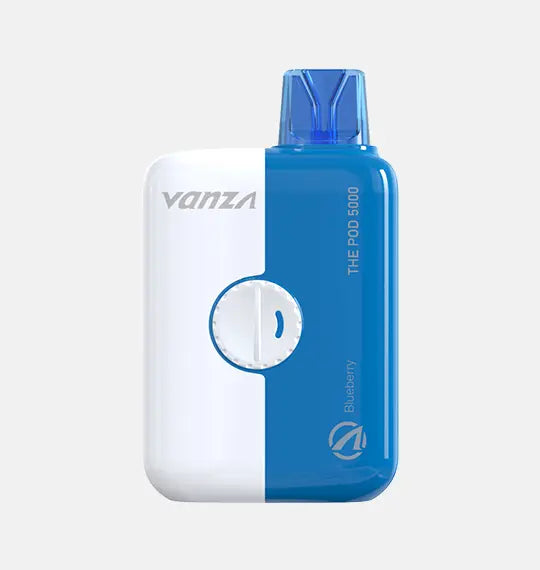
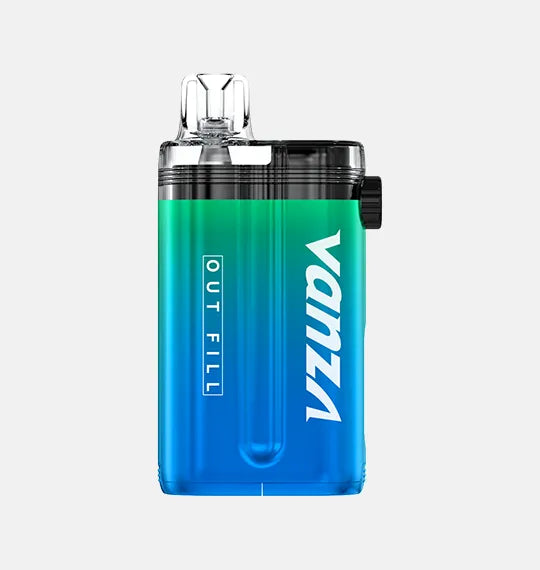
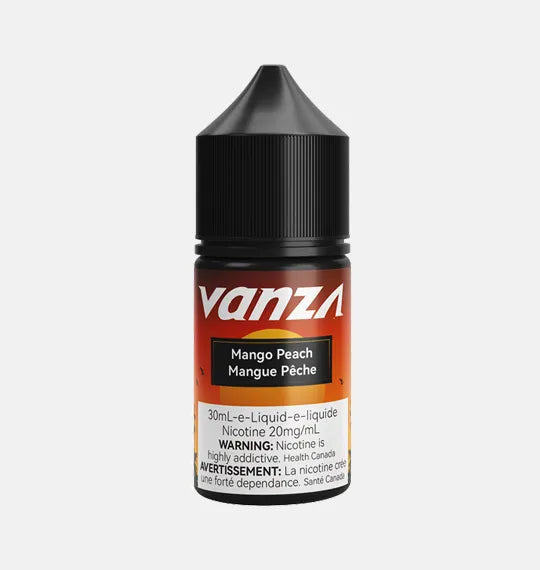
VANZA's diverse product portfolio demonstrates our capability to manage temperature sensitivity across various product categories and technologies. From high-capacity disposable devices to sophisticated rebuildable systems, our products are designed and manufactured to withstand the rigors of global distribution while maintaining quality to the end user.
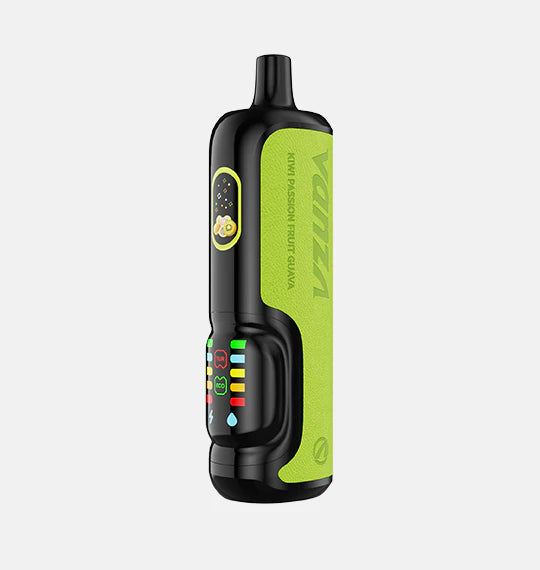
The POLAR line with its 35,000 puff capacity and innovative 3D screen featuring quadruple mesh technology represents our flagship product in terms of capacity and user experience. This product's extended lifespan means consumers may store it across varying conditions over months of use. Our engineering teams account for these real-world storage scenarios when establishing product specifications and recommended usage patterns.
The CUBIC system showcases our expertise in refillable pod technology, offering consumers flexibility in e-liquid selection while maintaining consistent performance. The sealed pod design protects internal e-liquid from environmental exposure, while our quality standards for pod filling and sealing ensure consistent product quality despite temperature variations that may occur during retail storage.
The 70K device with its 70,000 puff dual-mode capability demonstrates our understanding of inventory management challenges faced by wholesale distributors. Products with extended product lifecycles spend more time in distribution channels, increasing temperature exposure risks. Our quality protocols account for these extended timelines, ensuring products arriving at end customers after months of distribution meet the same exacting standards as products shipped immediately after production.
Frequently Asked Questions
How long can vape products be stored before quality degradation occurs?
Under optimal storage conditions of 15-25°C with 40-60% relative humidity, most e-liquid products maintain acceptable quality for 12-24 months from production date. Products stored at temperatures consistently above 30°C may experience noticeable degradation within 3-6 months. Disposable vape devices have similar shelf life expectations, though battery performance may degrade more rapidly than e-liquid components at elevated temperatures.
Can vape juice be frozen or refrigerated for storage?
While the individual ingredients in e-liquids have low freezing points, freezing is not recommended for consumer storage. Freezing can cause ingredient separation that may not fully reverse upon thawing, and condensation during temperature transitions creates moisture-related risks. Professional wholesale storage should maintain temperatures well above freezing at all times.
What is the best shipping method for hot climates?
For shipments to hot climate destinations, temperature-controlled freight or PCM-insulated packaging provides essential protection. Thermal blankets, early-morning shipping schedules, and climate-controlled warehouses at transit points further reduce heat exposure risks. Including temperature data loggers documents conditions throughout shipment, supporting quality claims if damage occurs.
How do I know if my products have been temperature-damaged?
Signs of temperature damage include darkened e-liquid color indicating flavor compound degradation, altered viscosity that is noticeably thin or thick, reduced vapor production, diminished throat hit, and off or stale flavors. For devices, swelling batteries, significantly reduced charge capacity, or automatic firing indicate temperature-related problems requiring immediate product removal from inventory.
What temperature should vape batteries be stored at?
Lithium-polymer batteries in vape devices should be stored between 10-25°C for optimal longevity. Extreme cold reduces capacity temporarily, while extreme heat accelerates degradation and creates safety risks. Batteries should be stored at approximately 50% charge when not in use for extended periods, as full charge states accelerate degradation at elevated temperatures.
Are salt nicotine products more temperature-sensitive than freebase nicotine?
Yes, nicotine salt formulations generally demonstrate greater temperature sensitivity than freebase alternatives. The chemical bonding creating smoother throat hits at higher nicotine concentrations also creates vulnerability to thermal breakdown. For salt nicotine products, maintaining storage temperatures in the lower portion of optimal range (15-20°C) provides additional safety margin for preserving product quality.
What documentation should wholesale distributors maintain for cold chain compliance?
Essential documentation includes temperature monitoring logs with readings at regular intervals, calibration records for monitoring equipment, SOPs describing storage and handling protocols, staff training records, receiving inspection records noting product condition, and shipping documentation including temperature data where available. Records should be retained for periods exceeding typical product shelf life, generally 24-36 months minimum.
Conclusion
Effective vape cold chain storage management represents a critical competitive differentiator for businesses operating in the wholesale and distribution segments of the vape industry. From understanding the scientific basis of temperature sensitivity to implementing professional-grade storage infrastructure and logistics protocols, every aspect of cold chain management directly impacts product quality, customer satisfaction, and business profitability.
The data presented throughout this guide demonstrates that temperature management is not merely a compliance requirement but a business imperative with measurable financial implications. Products stored at optimal 25°C conditions maintain approximately 98.3% nicotine stability compared to just 67.2% stability at 45°C—a difference representing thousands of dollars in product value for businesses moving significant inventory volumes.
Implementing professional cold chain practices requires investment in appropriate facilities, equipment, monitoring systems, and trained personnel. However, these investments consistently deliver returns through reduced product losses, enhanced customer confidence, improved compliance positions, and operational efficiency gains that compound over time.
Ensuring product quality from factory to customer requires expertise and dedication that only comes from years of focused experience. With 9 years of industry leadership, 4 factories maintaining consistent quality standards, and over 1,500 team members dedicated to excellence, VANZA has mastered the science of vape cold chain management. Our commitment to quality extends throughout our operations and into the guidance we provide to distribution partners seeking to elevate their own quality practices.
Ready to partner with a supplier who understands temperature-sensitive products and delivers consistent excellence? Contact our team at business@vanzatech.com to discuss how VANZA's expertise and product quality can support your business growth.