




The UK's disposable vape ban was the first real test case. As soon as the government announced the phase-out plan in early 2024, the market started shifting — the share of adult vapers who primarily used disposables dropped from 31% in 2023 to 24% in 2025, with pod systems and refillable devices picking up the slack. Once the ban took effect in June 2025, ASH's 2026 tracking data showed disposable usage fell further to just 8% (ASH 2026 Report). Policy completely rewrote the UK's product landscape.
And it's not just a UK story.
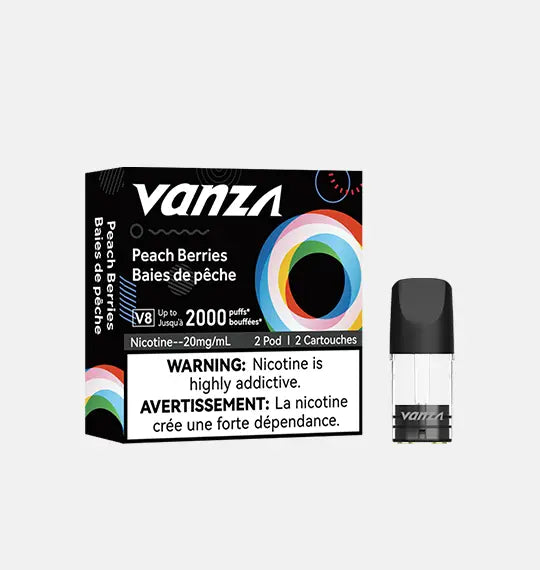
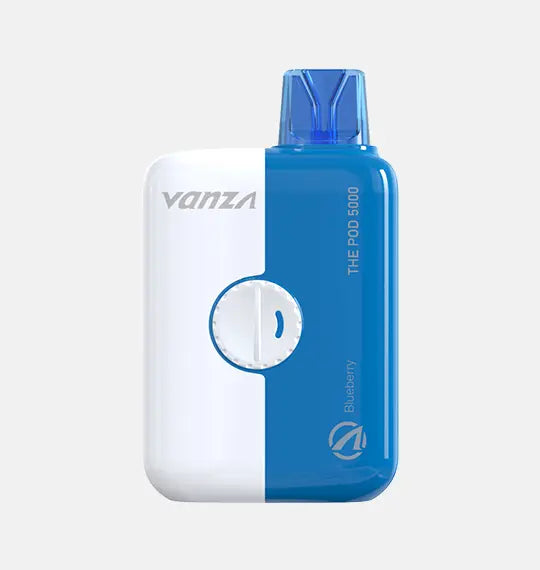
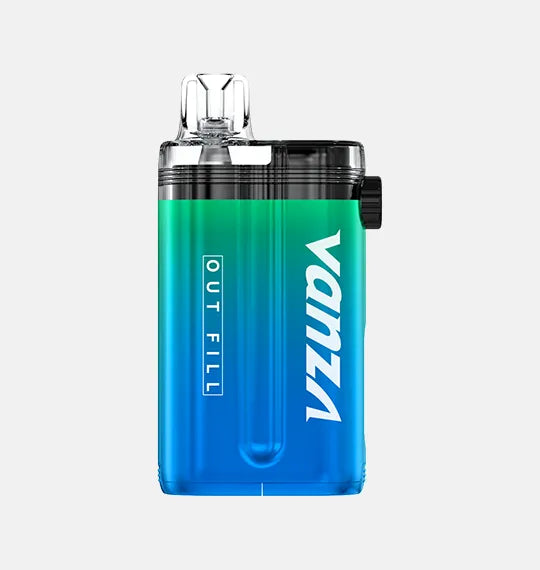
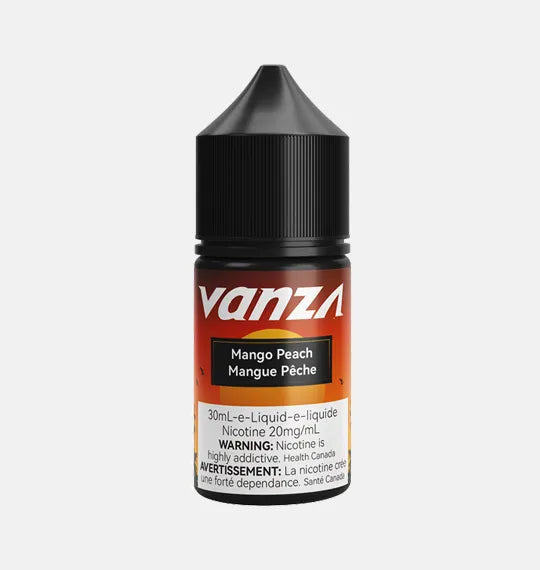
Three product formats currently coexist in the global vape market — disposables, closed-pod systems (prefilled pods), and open-system refillables — but their trajectories are diverging. And the direction of that divergence is largely shaped by each market's regulatory pace.
Disposables: Still the Revenue Leader, but the Ceiling Is Lowering
In the US, disposables still account for over 60% of retail channel sales and continue to grow year-over-year. Some Chinese OEM factories keep their disposable production lines operating normally. The demand-side reality is straightforward — consumers are willing to pay for the out-of-the-box, zero-maintenance experience.
But the regulatory picture tells a very different story. The UK banned them. The EU Battery Regulation (Regulation (EU) 2023/1542) requires all consumer device batteries to be removable and replaceable starting February 18, 2027 — sealed-battery disposable designs simply don't meet this requirement, effectively pushing them out of all 27 EU member markets. France and Belgium moved even earlier, banning disposables at the start of 2025.
The US is more nuanced. Disposable sales are still climbing, but state-level directory laws are progressively removing unauthorized products based on PMTA authorization status — North Carolina saw roughly 7,000 SKUs removed overnight when its rules took effect, the vast majority of which were disposables.
The bottom line: disposables are the most profitable format right now, but their regulatory window is systematically closing.
Closed-Pod Systems: The Real Growth Engine
Rank the three formats by growth rate, and closed-pod is the clear #1. Mordor Intelligence data shows closed systems held 82.62% revenue share in the US, 76.10% in Europe, and 69.74% in Asia-Pacific in 2025 — they are already the dominant format.
The UK data provides the most vivid picture of the transition. After the ban was announced in early 2024, disposable usage dropped from 43.6% to 29.4% by January 2025 (Smoking Toolkit Study), with most migrating users switching to pod and refillable devices. After the ban took effect, the figure plunged straight to 8%.
The switching logic is straightforward:
On the user side — pods lock users into an ecosystem; once they switch, they rarely go back. An Opinium survey commissioned by ELFBAR (August 2025, n=6,000) found that 85% of regular UK vapers had switched to reusable devices after the ban, with 84% purchasing separate refill pods.
On the regulatory side — removable battery designs natively comply with the EU Battery Regulation. Pod systems face a significantly more favorable regulatory posture across the UK and multiple European markets compared to disposables.
On the manufacturing side — the device body is standardized for mass production, flavor differentiation is delivered through pods, and SKU management is far simpler than with disposables.
The cost differential accelerates the migration even further. Annual user spending on a pod system runs approximately $160–189, versus $720–1,200 for disposables — a roughly 74% cost gap (Mordor Intelligence). For consumers, the economic case for switching to pods is clear.
Open Refillable Systems: Shrinking, but Not Disappearing
Open-system refillables now account for less than one-fifth of North American vape sales (Mordor Intelligence reports closed systems at 82.62%, leaving open systems at roughly 17%) — and the number keeps falling. In the UK, as the disposable ban pushes users toward pod systems, open systems are being squeezed further.
The reason they won't disappear: a dedicated core of users genuinely values adjustable wattage, airflow control, and free-fill flexibility — things that standardized pods simply can't deliver. In some regulatory jurisdictions, open systems also benefit from relatively more lenient compliance requirements.
But this is no longer a growth category. For clients, open systems make sense as a supplementary line — there's a specific user base worth serving, but it's not worth placing a big bet on.
Regulation: Redefining Market Access Across the Board
Looking at the major regulatory moves from the past two years, the trend is unmistakable:
The EU Battery Regulation closes the door on disposables in Europe by February 2027. US state directory laws are clearing out unauthorized products state by state. China's April 2026 cancellation of export tax rebates, combined with the introduction of a quota system, directly raises manufacturing costs — accelerating the exit of smaller Shenzhen factories.
Every new regulation raises the bar. Smaller players are being pushed out, and market concentration is rising.
How Should Clients Make Product Decisions?
Product selection ultimately comes down to three questions:
What's the regulatory direction in your target market? The US still has a window for disposables, but it's narrowing. Europe requires pods or refillables. The UK has clearly established pods as mainstream. The Middle East and Southeast Asia are relatively lenient but trending toward EU standards.
Can your manufacturing capabilities keep up? Disposable lines are highly standardized, but mesh coil upgrades require significant investment. Pods demand precision assembly and tight device-pod quality control — a higher bar. Open systems are easier to manufacture but offer limited commercial value.
Should you go multi-format? Betting on a single format is increasingly risky. A more resilient strategy allocates across formats based on each market's regulatory status: pods as the universal global backbone, mesh coil disposables to capture the window in the US and select emerging markets, and open systems as a supplement for specific user segments.
The principle is simple: follow regulation for product mix, follow product for manufacturing capability.
VANZA: Multi-Format Manufacturing, Built for Global Compliance
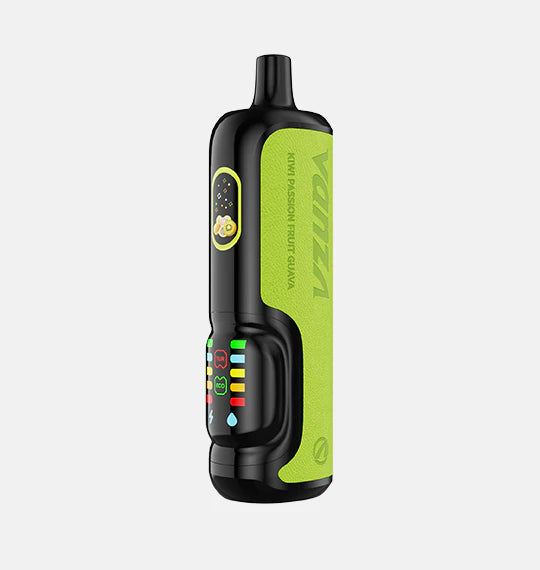
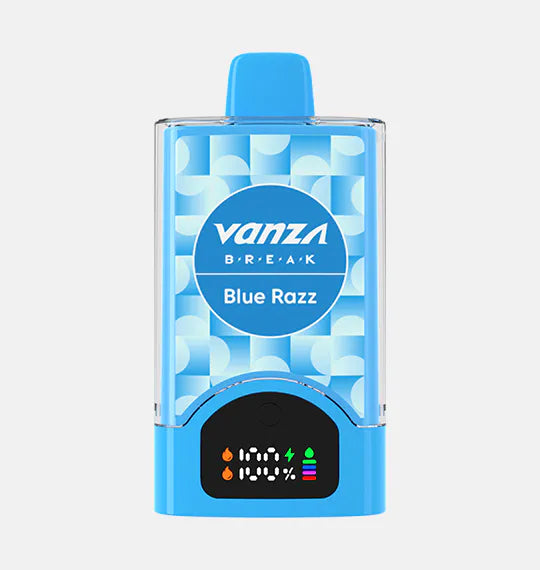
As the product landscape fragments, VANZA covers full-chain manufacturing across all three major formats — disposables, closed-pod systems, and open refillable systems — helping clients build flexible product portfolios aligned with their target markets' regulatory requirements. With 6 years of export experience across multiple countries and regions, VANZA adapts production and compliance to meet each client's specific regulatory environment.
Whether you need mesh coil disposables to capture the US window or closed-pod systems to position for the European mainstream, VANZA delivers end-to-end from design through mass production.
FAQ
Q1: Which vape product format dominates in 2026?
It depends on the market. Disposables still hold over 60% of US retail but the window is narrowing. Closed-pod systems are the clear majority in Europe and the UK (82.62% US market share, 76.10% in Europe). Open systems have retreated to under 20% in North America. Pod systems are on track to become the global standard.
Q2: Why did the UK ban disposable vapes? Does it set a precedent?
The UK banned disposable vapes effective June 1, 2025, driven by environmental and youth protection concerns. Usage had already dropped from 31% in 2023 to 24% in 2025 before the ban, falling further to 8% after enforcement. The EU Battery Regulation follows in February 2027, and France and Belgium banned disposables earlier in 2025. The regulatory trajectory is spreading from the UK across Europe.
Q3: How much cheaper are pod systems compared to disposables?
Annual user spending on pod systems is approximately $160–189, versus $720–1,200 for disposables — a roughly 74% cost difference (Mordor Intelligence). The economic advantage is a significant driver of user migration.
Q4: How does the EU Battery Regulation impact disposable vapes?
Regulation (EU) 2023/1542 requires all consumer device batteries to be removable and replaceable starting February 18, 2027. Sealed-battery disposable designs cannot meet this requirement, effectively forcing them out of all 27 EU member markets.
Q5: How should manufacturers adjust their product strategy?
The core principle: follow regulation for product mix. Pods as the global mainstream, mesh coil disposables to capture the window in the US and select emerging markets, open systems as a supplement for specific user segments. Betting on a single format carries increasing risk.
Q6: What should clients look for in a vape manufacturing partner?
Three priorities: multi-format manufacturing capability, compliance delivery experience in target markets, and device-pod quality control systems. The manufacturing bar is rising across the board — smaller players are exiting fast.
Conclusion
The 2026 vape market has drawn clear battle lines across three formats — disposables have peaked, pods have taken the lead, and open systems have retreated to a niche. Regulation is the strongest dividing line; the dramatic difference in consumer cost is the accelerant.
For manufacturers, multi-format production capability and compliance infrastructure are no longer a competitive advantage — they're the price of admission. If your company is rethinking its product lineup for what's ahead, the VANZA team is ready to help turn your format strategy into a production-ready plan.
📧 business@vanzatech.com | 🌐 vanzanow.com
About VANZAVANZA is a compliant vape manufacturer established in 2020, with 6 years of export experience and a team of 1,500+. Product coverage spans disposables, closed-pod systems, and open refillable systems, with full-chain manufacturing capability. VANZA adapts production and compliance to meet each client's specific regulatory requirements across target markets, with exports to countries and regions worldwide.
Share this article